
West Nile, Uganda: The Underrated Region You Should Visit Next
Ogundeyi Faith
Discover West Nile Uganda's hidden wildlife, culture, waterfalls and landscapes beyond the usual tourist trail.
West Nile, Uganda: The Underrated Region You Should Visit Next
Most travellers visiting Uganda already have a few places on their list: Bwindi for the gorillas, Queen Elizabeth for wildlife, Murchison Falls for the Nile, and perhaps Kidepo for something more remote.
But there is another part of the country that doesn’t get nearly as much attention: West Nile Uganda.
Stretching across northwestern Uganda, the region brings together the Nile, wildlife, waterfalls, mountains, local food and the cultures of the Alur, Lugbara, Madi and Kakwa people. It is less travelled than Uganda’s better-known safari destinations, and that is part of what makes it interesting.
If you’re looking for an off-the-beaten-path Uganda experience, West Nile is worth putting on your list.
Where is West Nile, Uganda?
West Nile occupies Uganda’s northwestern corner, west of the Albert Nile and along the country’s borders with the Democratic Republic of Congo and South Sudan.
Arua is its main urban hub, while the wider sub-region includes places such as Nebbi, Pakwach, Moyo, Yumbe, Koboko, Maracha, Zombo, Madi-Okollo and Terego.
Uganda’s tourism authorities have increasingly been putting this part of the country in the spotlight. In 2025, Arua hosted Uganda’s national World Tourism Day celebrations, with the government specifically using the occasion to showcase West Nile’s tourism potential, including Ajai Wildlife Reserve, Mount Wati, the Nile and the region’s cultural heritage.
So if you’ve been searching for a West Nile Uganda travel guide, you’re looking at a destination that is not simply waiting to be discovered. It is already being rediscovered.
Why West Nile is one of Uganda’s underrated places
West Nile is one of Uganda's underrated places because the region is not trying to compete with Bwindi by becoming another gorilla destination. It has its own story: the Albert Nile, Ajai’s recovering wildlife population, waterfalls tucked into the landscape, mountain views, heritage sites and living cultures.
And that story is beginning to attract serious attention.
Uganda’s tourism authorities have identified West Nile as an area with significant untapped tourism potential and are working on tourism development and regional planning. At a 2025 tourism conference in Arua, officials highlighted plans for two tourism master plans for the region, improvements around Ajai Wildlife Reserve and the documentation of dozens of heritage sites.
Then came another reason for travellers to pay attention.
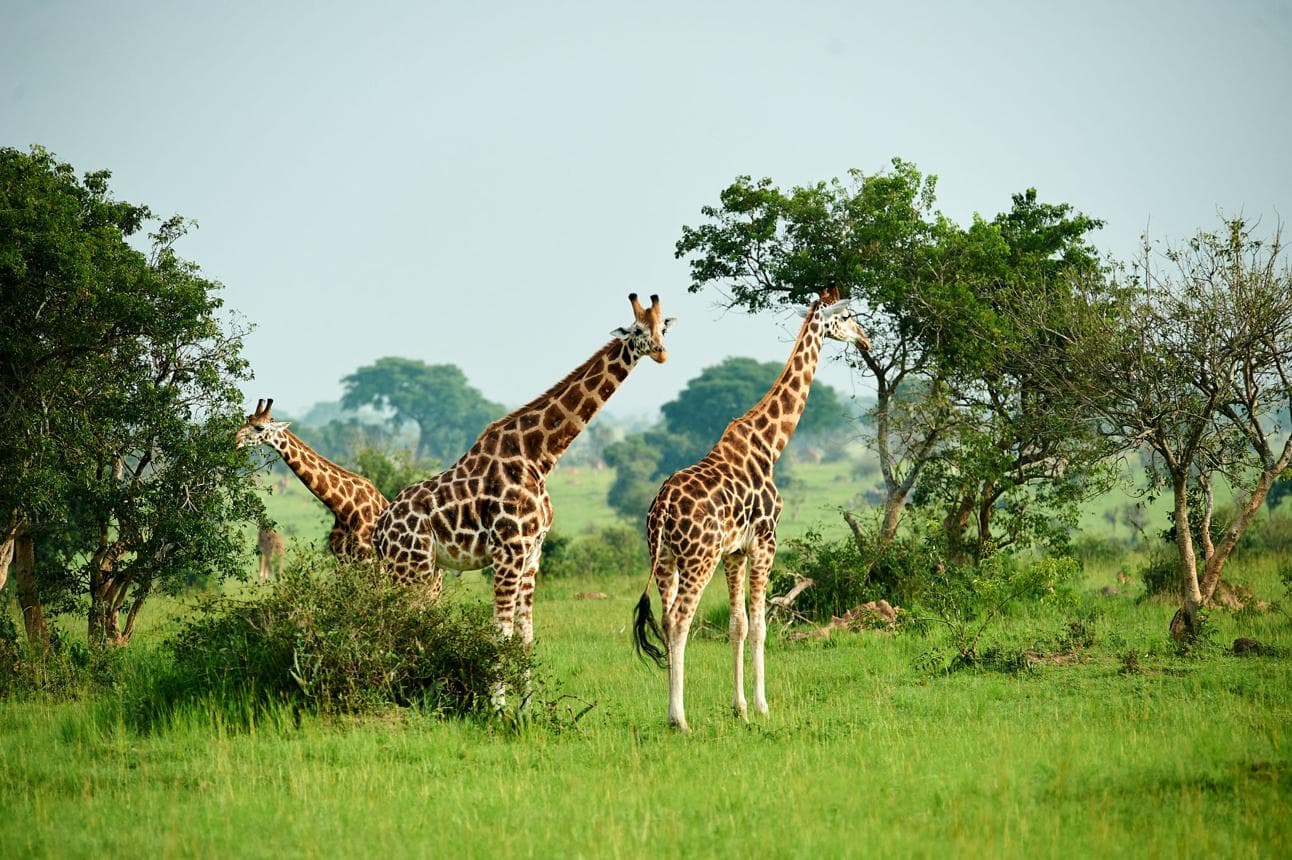
In July 2026, 12 endangered Nubian giraffes were moved from Murchison Falls National Park to Ajai Wildlife Reserve as part of an ecological restoration effort. The translocation is intended to expand the giraffes’ range while helping restore wildlife diversity in Ajai.
Suddenly, a reserve that many international travellers may never have heard of is at the centre of a major conservation story. And that changes the conversation around West Nile.
Things to do in West Nile Uganda
West Nile isn’t a destination where you need to spend your entire trip rushing from one famous attraction to another. Part of its appeal is allowing yourself time to follow the landscape.
Here are some of the experiences worth building into your trip.
1. Go on an Ajai Wildlife Reserve safari
Picture an early morning in Ajai.
The air is cool. Birds are already awake. The grass moves gently as the vehicle passes, and somewhere beyond the trees, an animal disappears before you get a proper look.
This is wildlife viewing without the feeling of being part of a convoy.
Ajai Wildlife Reserve is undergoing an important restoration programme after decades in which wildlife populations were severely depleted. Uganda Wildlife Authority says the restoration effort includes wildlife reintroductions, while the reserve’s most recent headline arrival was the introduction of 12 Nubian giraffes in July 2026.
The giraffes are particularly significant because they had disappeared from Ajai for decades. They are now part of a much bigger conservation story. The reserve is also being restored with other wildlife, including Uganda kob and buffalo, while rhino restoration has been part of the broader plans for Ajai.
That makes an Ajai Wildlife Reserve safari different from simply visiting an established national park.
You’re seeing a landscape in the process of becoming wild again. And if the restoration continues as planned, Ajai could become one of the most interesting emerging wildlife destinations in northern Uganda.
2. Stand beside Miridua Falls
On the Arua–Koboko road, Miridua Falls offers one of those moments where you stop talking because the landscape is doing all the work.
Water rushes through the rocky landscape, the sound getting louder as you approach. It is not the sort of attraction you necessarily need to spend half a day at.
Sometimes the magic is simply stopping, taking in the view, feeling the spray and remembering that you’re somewhere far removed from the usual tourist trail.
Miridua Falls is one of the experiences that makes a list of things to do in West Nile Uganda feel very different from a conventional safari itinerary.
3. Follow the Nile through Pakwach
The Nile has a way of making itself part of the journey in Uganda. In West Nile, that relationship becomes particularly striking around Pakwach.
The Albert Nile flows through this part of West Nile, creating dramatic river scenery around Pakwach, while the town also provides a gateway towards Murchison Falls National Park.
Pakwach can therefore be a natural stopping point for a Murchison Falls and West Nile itinerary.
Instead of treating West Nile and Murchison Falls as completely separate destinations, you can build them into one northern Uganda journey, moving from the river and wildlife landscapes around Murchison into the communities, heritage sites and emerging attractions farther west.
And there is something satisfying about crossing the Nile and knowing that the road ahead is taking you deeper into a part of Uganda that many first-time visitors may not have considered exploring.
4. Experience West Nile through its people, food and heritage
If you really want to understand a place, don’t only look at its landscape. Look at its people.
Spend time in Arua and you’ll quickly see that the city is much more than a gateway to somewhere else. Markets, shops, restaurants and roadside stalls give you a glimpse of everyday life in one of northern Uganda’s busiest urban centres.
West Nile is home to communities including the Lugbara, Alur, Madi and Kakwa, each with their own cultural traditions, food and histories.
There are also heritage sites scattered throughout the region.
Near Pakwach, the area of Pubungu is closely associated with the traditional story of Gipir and Labongo, whose legendary separation is said to have taken place there. In Nebbi, Biku Hill is home to the tiny Bethel Chapel, an eight-foot-high structure that can accommodate just three people, including the preacher, and has become a distinctive religious and cultural attraction.
In Zombo, the Alur Kingdom adds another layer to the region’s cultural history, while tourism authorities have identified numerous other heritage sites across West Nile for development and documentation.
5. Climb Mount Wati
West Nile isn’t all savannah and river, there are hills too.
Mount Wati, in Terego, is recognised by Uganda’s tourism authorities as the highest peak in the West Nile region and has been highlighted as a hiking attraction.
The climb gives adventurous travellers another way to experience the region.
The higher you go, the more the landscape begins to unfold around you; hills, settlements, vegetation and the wide northern Ugandan horizon. If you’re interested in hiking Mount Wati Uganda, plan the experience with a local guide and check current trail conditions before setting out.
How to get to West Nile Uganda
If you’re wondering how to get to West Nile Uganda, you have two main options: road and air.
By road, travellers from Kampala can travel north through the Gulu area and continue towards Pakwach and Arua. The route can be incorporated into a broader northern Uganda journey, including Murchison Falls National Park.
For travellers who would rather save time, Arua Airport provides an air connection to the region. Uganda’s Civil Aviation Authority lists scheduled services to and from Arua Airport, although flight schedules can change, so it’s worth checking current availability through the Uganda Civil Aviation Authority portal when planning your trip.
Best time to visit West Nile Uganda
The best time to visit West Nile Uganda depends partly on what you want to do.
The drier periods, generally around December to February and June to August, tend to make road travel and wildlife viewing easier. For travellers combining game drives with hiking or longer road journeys, these months can be particularly convenient.
The wetter periods bring their own appeal. The landscape becomes greener, and waterfalls can be especially impressive after rain. But some roads and tracks may become more difficult, so a flexible itinerary and local guidance become more important.
Rather than asking which season is universally “best”, think about what you want from the trip.
If you want wildlife, prioritise easier conditions.
Waterfalls and lush landscapes? The wetter months can be beautiful.
And if you want a little of everything, a knowledgeable local operator can help you choose the timing and route that make the most sense.
A 5-day West Nile Uganda itinerary
Five days gives you enough time to experience several sides of the region without turning the trip into a race.
Here’s one way to do it.
Day 1: Kampala to Pakwach
Start the journey north.
The road takes you away from Kampala and towards the landscapes around Murchison Falls and the Albert Nile. Arrive around Pakwach, settle in and give yourself time to watch the river as the light changes.
If your wider itinerary includes Murchison Falls National Park, this is a natural point to connect the two experiences.
Day 2: Pakwach to Arua
Continue towards Arua, taking time for heritage and cultural stops along the way where your route and local access allow.
By evening, arrive in Arua. Don’t rush to your accommodation and shut the door. Instead, go out, and find somewhere local to eat. Walk through a busy part of the city. Listen to the sounds around you.
Arua has its own rhythm, and it is worth experiencing.
Day 3: Ajai Wildlife Reserve
Today is for Ajai. Head into the reserve for wildlife viewing and the chance to see an ecosystem undergoing an important restoration process.
Day 4: Mount Wati or a cultural day
This is where you can tailor the journey to yourself.
If you want adventure, make the climb towards Mount Wati with a local guide.
If culture is more your thing, spend the day exploring heritage sites, local communities, markets and food around the region.
This flexibility is one of the best reasons to travel with a tailor-made itinerary rather than trying to squeeze West Nile into a rigid checklist.
Day 5: West Nile and beyond
On your final morning, enjoy a slower start before beginning your journey onward.
You could return towards Kampala, connect West Nile with Murchison Falls, or continue your Uganda adventure towards another destination depending on the rest of your itinerary.
Why travel West Nile with Everything Uganda?
There is a difference between seeing a destination and understanding how to travel through it. West Nile is still an emerging tourism region. That means planning matters.
Which sites make sense together?
How much time should you spend on the road?
Where should you stay?
Which experiences need advance arrangements?
And how do you combine West Nile with the better-known parts of Uganda without spending half your holiday driving?
That’s where local knowledge becomes valuable. At Everything Uganda, we can help you build a West Nile Uganda itinerary around what you actually want to experience; whether that’s wildlife, culture, hiking, photography, food, the Nile or a combination of several.
You don’t have to choose between the Uganda you’ve already heard about and the Uganda you haven’t. We can help you put both into the same journey.
Ready to see a different side of Uganda? West Nile is a good place to start.
Plan Your West Nile & Uganda Adventure with Everything Uganda