
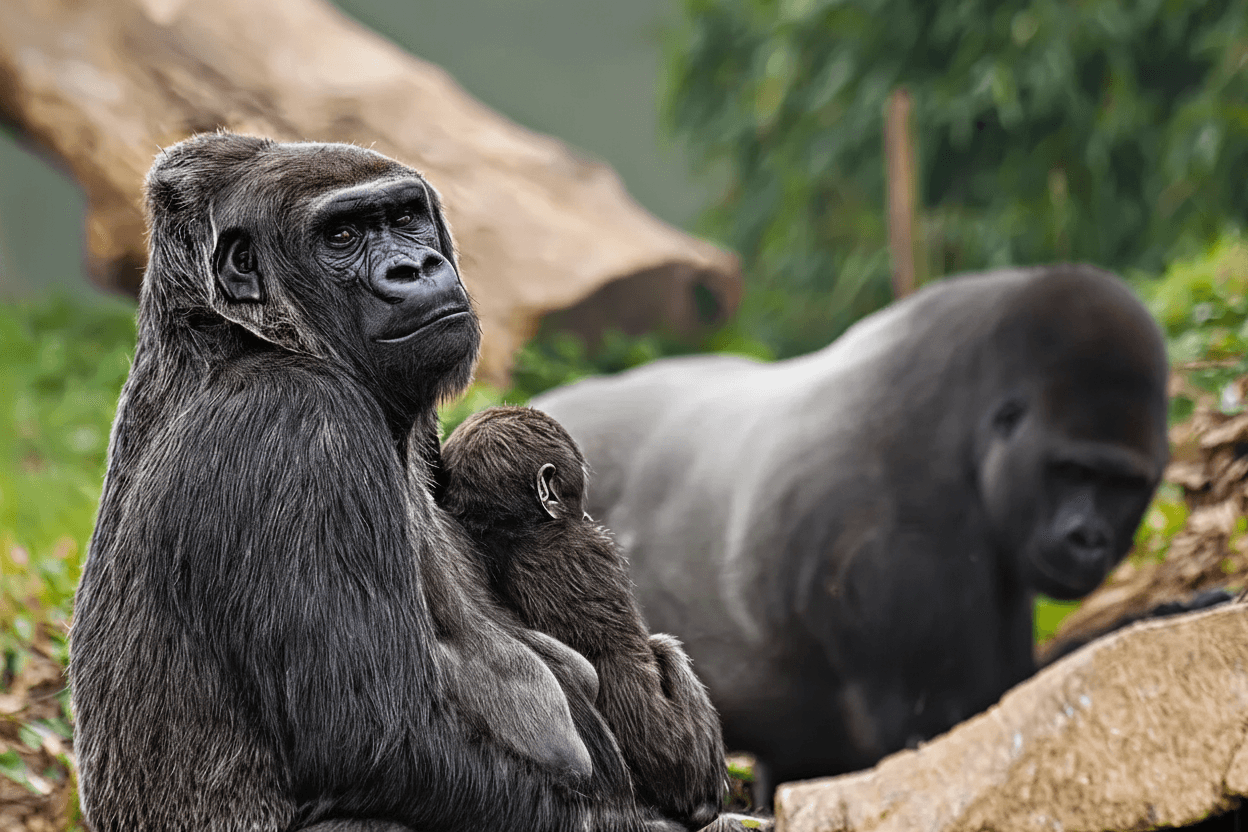
Silverback Gorilla Facts: Size, Strength, and Behavior
Ogundeyi Faith
7 Fascinating Facts About the Silverback Gorilla That Will Amaze You
The silverback gorilla is a marvel of nature. Known for its immense strength and striking appearance, it captivates wildlife enthusiasts worldwide. These majestic creatures are not just about brawn; they possess a complex social structure and rich communication methods.
Their role in the ecosystem is vital, contributing to forest health and biodiversity.
Despite their formidable presence, silverback gorillas face threats from habitat loss and poaching. Join us as we explore seven fascinating facts about these incredible animals that will leave you amazed.
What is a Silverback Gorilla?
A silverback gorilla is the adult male leader of a gorilla troop. Known for their distinctive patch of silver hair on their backs, these males are vital to the group's social structure as their presence symbolizes strength and authority.
Silverback gorillas are primarily found in the dense forests of central Africa. These powerful creatures play crucial roles in their habitats, impacting both the ecosystem and the social dynamics of their troops.
Notably, the silverback is responsible for the protection and welfare of their group. They mediate disputes and guide movements, ensuring the troop's survival in the wild.
Definition and Characteristics
Silverback gorillas are matured male gorillas with a silver-gray saddle running across their backs. This physical characteristic develops with age and signifies dominance in the group.
Key features include:
Large size and weight
Strong jaw and bite force
Unique fingerprints like humans
Silverback vs. Mountain Gorilla
Silverbacks can belong to different gorilla subspecies, including the mountain gorillas. Mountain gorillas are a subspecies of eastern gorillas. They primarily inhabit the mountainous regions and have thicker fur to survive colder climates.
Silverback Gorilla Size
The size of a silverback gorilla is truly remarkable. These impressive creatures are among the largest primates on the planet. Their physical presence is both awe-inspiring and intimidating.
Typically, a fully-grown silverback weighs several hundred pounds and stands tall when upright. Their bulk and strength contribute to their dominance within the troop. Their size plays a significant role in deterring predators and maintaining social order.
Key size features include:
Broad chest and muscular build
Long arms suited for knuckle-walking
Prominent, strong shoulders
How Big is a Silverback Gorilla?
Silverback gorillas are massive by any standard. On average, they can grow to around 5.5 to 6 feet in height. Their imposing size commands respect within their troop, reinforcing their position as leaders.
Silverback Gorilla Height
When silverback gorillas stand on their hind legs, they often reach impressive heights. Typically, a silverback's height ranges from about 5.5 to 6 feet.
Their height varies with age and nutrition.
Silverback Gorilla Weight
The weight of a silverback gorilla is equally notable. Adult males usually tip the scales at between 300 to 500 pounds.
Their weight provides both strength and dominance.
Strength and Power
The strength of a silverback gorilla is unparalleled in the animal kingdom. With muscles built for power, they are a force of nature. This mighty strength ensures their survival in the wild.
Silverbacks are known for their incredible lifting capacity, which far surpasses human abilities. Their powerful limbs and robust torso enable them to carry and manipulate heavy objects with ease. This strength also plays a vital role in protecting the troop from threats.
Impressive power traits of silverbacks include:
Ability to lift nearly ten times their body weight
Huge bite force capable of crushing tough vegetation
Dominant stance that repels rivals
How Strong is a Silverback Gorilla?

A silverback's strength is legendary, about ten times greater than a human's. Their immense physical power is evident in their everyday activities and displays of dominance.
How Much Can a Silverback Gorilla Lift?
Silverback gorillas can lift an astonishing amount of weight. They are capable of lifting up to 1,800 pounds, showcasing their unrivaled power.
This capacity surpasses that of most animals.
Such strength ensures troop safety and leadership.
Silverback Gorilla vs. Grizzly Bear
When comparing a silverback to a grizzly bear, both have formidable traits. Each has unique advantages in their environments.
Silverbacks excel in strength and social leadership.
Grizzly bears possess incredible endurance and aggression.
Behavior and Communication
Silverback gorillas exhibit fascinating behaviors, reflecting their intelligence and social complexity. They are often seen leading their troops with wisdom and authority. Their behaviors provide insights into gorilla society and survival strategies.
These majestic creatures use a variety of communication methods to express themselves. From vocalizations to body language, silverbacks interact with their environment and group members skillfully. Their communication is key to maintaining troop harmony.
Some noteworthy communication methods include:
Grunts and hoots for social interaction
Chest-beating to display strength
Facial expressions to convey emotions
Silverback Gorilla Behavior
Silverbacks are generally peaceful but will display aggression when threatened. They engage in nurturing activities like grooming, strengthening social bonds within the troop.
Gorilla Communication Methods
Gorillas use complex communication methods involving over 25 vocalizations. Through these sounds and gestures, they coordinate group activities and express emotions.
Vocalizations include hoots, grunts, and growls.
Body postures and facial cues further enhance their communication.
Social Structure
The social structure of gorilla troops is complex and fascinating. Silverback gorillas lead these groups with strength and wisdom. Each troop's harmony depends on the connections between its members, led by the silverback.
Gorilla troops can range from five to over thirty individuals. These groups include females, juveniles and infants. Their interactions and social dynamics are essential for the group's survival.
Important aspects of gorilla social structure include:
Leadership by a dominant silverback
Strong bonds among troop members
Cooperative behavior for group well-being
Gorilla Social Structure
Gorilla groups, known as troops, are tight-knit families. The social fabric relies on the silverback's leadership and the strong bonds among members.
Roles of the Silverback in a Group
The silverback plays a crucial role in gorilla groups.
Key responsibilities include:
Protecting the group from threats
Mediating disputes within the troop
Teaching young gorillas survival skills
Lifespan and Conservation
The lifespan of gorillas varies depending on their environment. In the wild, gorillas often live between 35 to 40 years. Their longer lifespan in captivity, often reaching 50 years, reflects better access to food and medical care.
Conservation efforts are crucial for gorillas' survival. Threats such as habitat loss and poaching challenge their existence. Numerous organizations work tirelessly to protect these magnificent creatures and their habitats.
Key conservation strategies include:
Anti-poaching initiatives
Habitat restoration projects
Educational programs to raise awareness
Gorilla Lifespan
Gorillas have a surprisingly long lifespan compared to other wildlife. In their natural habitats, gorillas can live up to 35-40 years. However, with improved care in zoos, their lifespan often extends to about 50 years.
Gorilla Conservation Efforts
Conservation initiatives are vital for safeguarding gorillas. Effective strategies are being implemented globally to protect these incredible animals.
Successful conservation tactics include:
Strengthening anti-poaching laws
Creating protected reserves
Promoting eco-friendly tourism
Conclusion
Silverback gorillas captivate with their sheer size, strength and intelligence. They play a crucial role in their ecosystems, providing balance and diversity. Moreover, understanding their social behavior and communication enhances our appreciation of these formidable creatures.
Although they continue to face significant conservation challenges, ongoing efforts bring hope for their future. Protecting their habitats and raising awareness remains essential for their survival. And with continued support, these magnificent animals can thrive, ensuring future generations witness their splendor, while also reminding us of the importance of preserving the planet’s biodiversity.