
Discover the Rich Tapestry of Uganda Culture and Traditions
Ogundeyi Faith
Discover the Rich Tapestry of Ugandan Culture and Traditions
Uganda is a land of vibrant cultures and rich traditions. Its diverse heritage is a tapestry woven from over 50 ethnic groups. Each group brings unique customs, languages and practices to the nation's cultural mosaic.
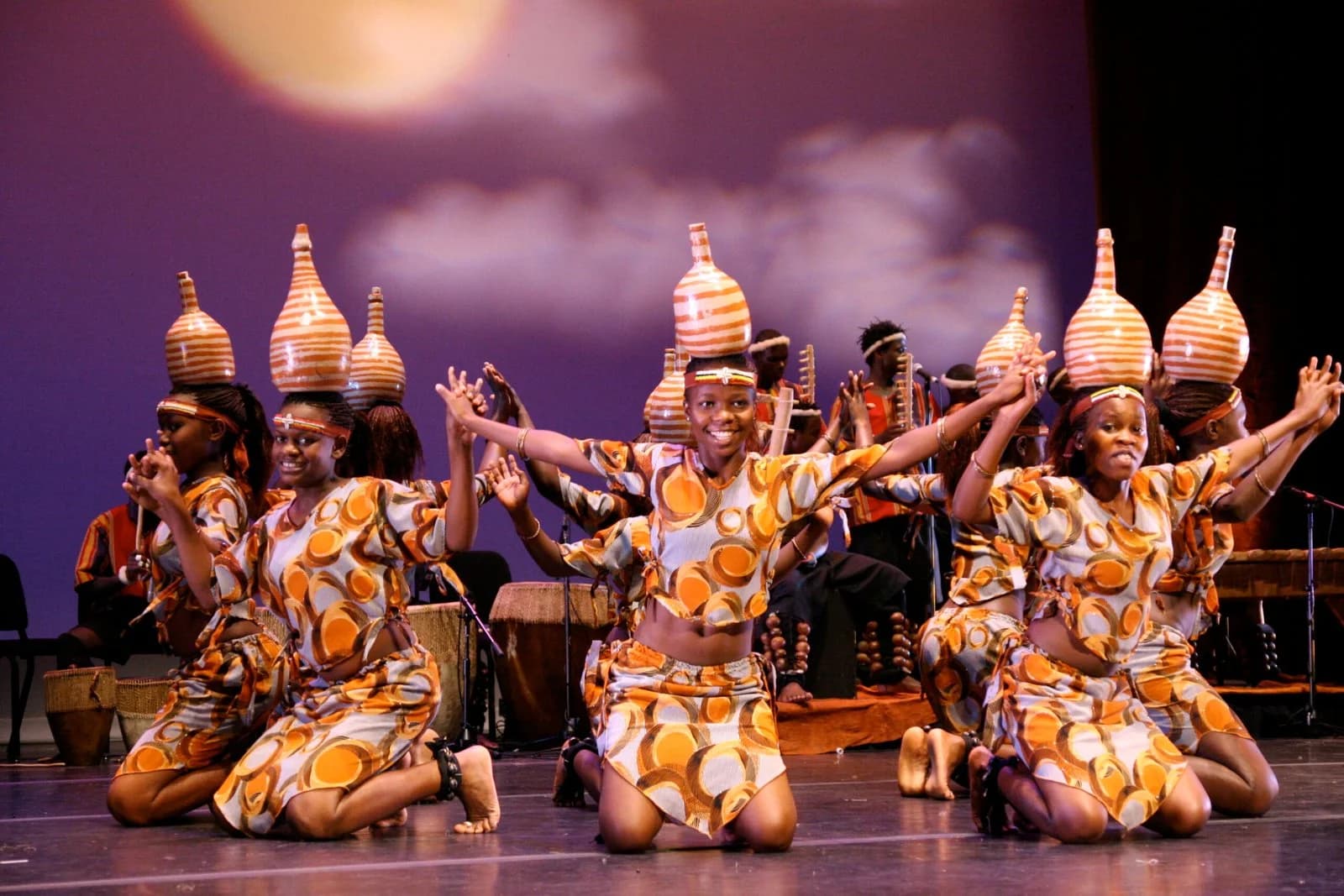
From the rhythmic beats of traditional dances to the colourful attire, Uganda's culture is a feast for the senses. The country's music, cuisine and languages reflect its dynamic history and diverse influences.
Exploring Uganda's culture offers a glimpse into the heart of Africa. It reveals a nation proud of its heritage and eager to share its stories. Join us on a journey through Uganda's cultural landscape, where every tradition tells a tale.
Introduction to Uganda's Cultural Heritage
Uganda's cultural heritage is a vibrant mix of traditions and influences. The culture draws from a rich history and an array of ethnic groups. Each group contributes to the nation's rich cultural tapestry.
Uganda is home to over 50 ethnic groups, each with unique customs. Among the largest are Baganda, Basoga and Banyankole. These groups have preserved traditions that define their identities and contribute to Uganda's cultural diversity.
Notable aspects of Uganda's culture include:
Unique music and dances
Traditional clothing with bright colours
Oral storytelling traditions
Visitors to Uganda are often captivated by its rich cultural expressions, which are passed down through generations.
Ugandan Cuisine
Ugandan cuisine is a flavourful reflection of its cultural diversity. It features a variety of dishes influenced by different ethnic groups, combining fresh local produce and unique flavours.
Signature Dishes
Uganda's culinary delights include several signature dishes that showcase its cultural richness. Among these, matooke, made from steamed bananas, is a staple.
Output (British English):
This dish is often served with peanuts or meat sauce.
Other popular dishes are:
Posho: A maize porridge
Luwombo: Stewed meat wrapped in banana leaves
Each of these dishes highlights the simplicity and richness of Ugandan cuisine.
Culinary Practices
In Uganda, meal preparation is often a communal activity, reflecting deep social ties. Ingredients used in cooking are fresh and locally sourced, supporting local farmers. Spices and herbs are frequently used, enhancing the food's natural flavours.
Cooking methods include:
Steaming
Grilling
Boiling
These traditional methods preserve the nutritional value while enhancing taste.
Music of Uganda
The music of Uganda is a vibrant tapestry that reflects its rich cultural heritage. It blends traditional rhythms with modern sounds, creating a unique musical landscape.
Traditional Music and Instruments
Traditional Ugandan music is deeply rooted in storytelling and ritual. It often accompanies dances and ceremonies, fostering communal bonds. Instruments play a crucial role in crafting these sounds, with each having distinct cultural significance.
Some notable traditional instruments include:
Adungu: A bow harp
Endongo: A lyre
Amadinda: A type of xylophone
These instruments produce rhythms that evoke the spirit of the land, celebrating both history and identity.
Popular Music Genres
Uganda's modern music scene merges traditional elements with contemporary influences. Popular genres like Afrobeat and Kadongo Kamu echo these blends, resonating with younger generations. They incorporate Western styles while maintaining African authenticity.
Key genres include:
Kadongo Kamu: Known for storytelling lyrics
Afrobeat: A fusion of jazz and highlife
Dancehall: Energetic and party-centred music
These genres are synonymous with celebrations and gatherings, embodying Uganda's lively culture.
Local Traditions and Culture in Uganda
Uganda's culture is deeply rooted in its traditions. These traditions are expressed through family dynamics, ceremonies, and societal interactions.
Family Structures
Family is the cornerstone of Ugandan society. It's a supportive network that extends beyond the nuclear family to encompass relatives and community. Each member has a role, fostering mutual respect and aid.
Key family values include:
Elders: Highly respected and advisers
Children: Seen as a community's future
Extended Family: Central to everyday life
These values shape social interactions, defining how communities thrive together.
Ceremonial Practices
Ceremonies are vital in marking life's milestones and transitions. They unite people, nurturing communal ties and cultural continuity. Rituals range from weddings to harvest celebrations, each with unique customs.
Some common ceremonies include:
Weddings: Vibrant and elaborate
Naming Ceremonies: Welcoming newborns
Harvest Festivals: Celebrating agricultural success
These events provide a sense of identity and belonging, strengthening Uganda's cultural fabric.
Traditional Dances of Uganda
Traditional dances of Uganda are lively and intricate. They play an important role in cultural expression, narrating stories and showcasing heritage through movement.
Notable Dance Styles
Uganda boasts a rich variety of dance styles, each unique to its many ethnic groups. These dances are not just art but a form of communication, conveying emotions and histories. Among the most celebrated are:
Kiganda Dance: Performed by the Baganda people
Imbalu Dance: Part of the Bagisu circumcision rituals
Runyege Dance: Associated with the Banyoro people
Each dance style embodies the spirit and traditions of its people, preserving ancestral narratives and values.
Dance in Social Events
Dance is central to Ugandan social events, enlivening weddings, festivals, and ceremonies. It binds communities, inviting participation and joy. Events often feature various dances, each with distinct symbolism and attire that enhance the occasion's mood.
Dance styles prevalent in social settings include:
Nkuluze: Emphasising grace and elegance at weddings
Amagunjju: Enacted during coronations and royal events
These performances celebrate Uganda's vibrant culture, providing a glimpse into its community-driven spirit.
Cultural Diversity in Uganda
Uganda's cultural diversity thrives in its over 50 ethnic groups. Each group enriches the nation with unique traditions, languages, and customs, fostering a rich cultural tapestry.
Ethnic Groups and Their Contributions
These ethnic groups, including the Baganda, Banyankole, and Basoga, bring vibrancy to Ugandan culture. Each group contributes uniquely, enriching Uganda’s cultural mosaic with its customs and innovations.
The diversity includes:
Baganda: Known for music and the Kabaka kingship
Banyankole: Celebrated for cattle-keeping traditions
Basoga: Famous for vibrant dance and storytelling
This multitude of traditions enriches the country, celebrating differences while building communal strength.
Interactions Among Cultures
Interaction among cultures in Uganda fosters unity and mutual respect. This is visible in joint festivities and community gatherings, where diverse traditions meet harmoniously.
Cultural exchange involves:
Festivals: Shared celebrations showcasing multiple traditions
Markets: Places where languages and ideas blend
School and work environments: Cross-cultural collaboration in daily life
These intersections celebrate Uganda's cultural diversity, building a harmonious and inclusive society.
Uganda's Languages
Uganda is a linguistically rich country with a fascinating mosaic of languages. Over 40 languages are spoken, each adding depth to Uganda's cultural landscape and unity through diversity.
Main Language of Uganda
English is the official language, used in education and government. However, Luganda is widely spoken, especially in central Uganda, bridging communication gaps.
Prominent languages include:
English: Official language
Luganda: Widely spoken
Swahili: Increasingly important regionally
These languages ensure effective communication across diverse regions.
Languages Spoken in Uganda
In addition to English and Luganda, Uganda hosts numerous other languages. These include Swahili, Runyankore, and Lusoga, reflecting rich ethnic heritage.
Commonly spoken languages:
Runyankore: Popular in the west
Lusoga: Eastern regions
Ateso: Northeast communities
This diverse linguistic environment helps preserve cultural identities within Uganda’s borders.
Influence of Languages on Culture
Languages significantly shape cultural practices in Uganda. They influence traditional music, storytelling, and folklore across various ethnic groups.
Language impacts include:
Storytelling: Passed down orally through generations
Music: Lyrics incorporate multiple languages
Customs: Language nuances reflect cultural customs
Thus, languages not only communicate but also sustain cultural heritage and identity.
Traditional Clothing and Dress
Traditional clothing in Uganda is diverse, reflecting the country's rich cultural tapestry. From vibrant colours to intricate patterns, attire is deeply symbolic.
Traditional Wear in Uganda
Ugandan traditional wear varies by region, each style rooted in local customs. Women often wear the Gomesi, a colourful dress, especially during ceremonies. Men typically don the Kanzu, a long white robe, for formal events. The diversity is showcased in attire like:
Gomesi: Women's traditional dress
Kanzu: Men's ceremonial wear
Suka: Wrap worn by women in eastern Uganda
These garments are not merely clothing; they are a celebration of cultural identity and heritage.
Significance of Attire in Various Cultures
In Uganda, clothing holds deep cultural significance and represents more than fashion. It signifies social status, marital status, and ethnic background. For instance, during important functions, specific attire is required, which reinforces cultural norms.
Dress impacts cultural events:
Weddings: Specific garments symbolise unity
Ceremonies: Attire reflects traditions
Festivals: Clothing unites communities
Traditional attire in Uganda thus serves as a vital link to heritage, identity, and cultural expression.
Conclusion
Uganda's vibrant culture and traditions are a testament to its rich heritage and diversity. With over 50 ethnic groups, the nation's cultural tapestry is both unique and unified.
From traditional dances and music to colourful attire and diverse cuisine, Uganda's cultural expressions are deeply cherished. This diversity fosters unity and national pride. Exploring Uganda's culture not only enriches understanding but also celebrates the beauty of human diversity.