

Digitalization of Tourism in Uganda: How Technology Is Transforming Travel
Ogundeyi Faith
Digitalization of Tourism in Uganda: How Technology Is Transforming Travel
A decade ago, a trip to Uganda meant an embassy visit for a visa, cash carried in a money belt for park fees, and permit bookings confirmed by fax or phone.
Today, a tourist visa can be approved online in days through Uganda's official eVisa portal, a licensed operator can secure a gorilla trekking permit and pay for it by mobile money without leaving their office, and several national parks now run on cashless smart cards instead of cash boxes at the gate.
That shift has a name: the digitalization of tourism in Uganda. It's not a single system or app, but a combination of government platforms, private-sector tools, and infrastructure pilots that together are changing how travelers plan trips, how operators run their businesses, and how parks manage the flow of visitors.
This article walks through what that transformation actually looks like today, what's still being piloted, and what it means for anyone planning a Uganda safari.
What Digitalization of Tourism actually means in Uganda
At its core, digitalization of tourism, sometimes called e-tourism, is the use of technology to manage, market, and deliver tourism services: online bookings instead of paper forms, digital payments instead of cash, real-time information instead of guesswork. It touches everything from the moment a traveler starts researching a trip to the moment they tap a smart card at a park gate.
For Uganda, this matters for very concrete reasons. Tourism remains one of the country's most important sources of foreign exchange and employment, and the sector's competitiveness increasingly depends on how easy it is for international travelers to plan, pay for, and experience a trip.
Government agencies have taken notice: the Ministry of ICT and National Guidance's current strategic plan identifies digital transformation as a priority across key sectors including tourism, and the Uganda Tourism Board's own policy statement sets a target of getting fifty tourism service providers offering online booking and digital services within the current financial year.
The Uganda Tourism Association's 2026–2030 strategic plan goes further, placing innovation and digital competitiveness alongside sustainability as pillars for the industry's next phase.
None of this is abstract policy language sitting in a government report. It shows up in the tools travelers and operators are already using.
From eVisa to Online Permits: how Travelers already Experience Digital Tourism
The most visible piece of Uganda's digital tourism infrastructure is the Uganda eVisa system, which has been live since July 2016 and is managed through the official portal, visas.immigration.go.ug.
It covers tourist visas, business visas, transit visas, multiple-entry visas, and the East African Tourist Visa, which allows travel across Uganda, Kenya, and Rwanda on a single application.
Applying is a matter of filling in an online form, uploading a passport photo, passport bio page, travel itinerary, and yellow fever vaccination certificate, then paying by card. A single-entry tourist visa costs USD 50, while the East African Tourist Visa costs USD 100. What used to require an embassy visit or a courier service can now be done from anywhere with an internet connection.
The second major shift is on the operator side. UWA's online booking system now allows licensed tour operators to reserve gorilla trekking permits and other wildlife activities remotely, paying through mobile money or card with multi-currency support and direct integration into UWA's financial systems.
Permits are issued digitally and validated at park gates using QR codes, which cuts down on cash handling and gives both operators and UWA a clearer, faster record of who is booked in and when. For an activity as tightly rationed as gorilla trekking, where permits are limited and high-demand, that speed and transparency matters enormously.
Inside the Parks: Cashless Payments, Smart Gates, and Connectivity
Once travelers arrive, the digital experience continues — though unevenly, since some of what's happening here is fully operational while other parts are still being piloted.
Several of Uganda's parks — including Bwindi, Mgahinga, Queen Elizabeth, Kibale, Lake Mburo, and Murchison Falls, already use a cashless smart card system for entrance fees and certain activities. Visitors load funds onto a card, which is then used at gates and for services inside the park, reducing the amount of cash that needs to change hands in remote locations.
Beyond that, a broader vision is taking shape. In August 2025, Uganda's National Information Technology Authority (NITA-U), the Uganda Tourism Board, and UWA held a high-level meeting that led to a call for a Tourism Digital Enablement Program.
The proposals on the table include smart park entry gates, public Wi-Fi at tourist sites, CCTV systems with AI-assisted analytics for security and wildlife monitoring, and digital content hubs offering interactive information on culture, history, and wildlife. NITA-U has also indicated it is exploring satellite internet, TV White Space technology, and solar-powered mesh networks as ways of bringing connectivity to remote tourist destinations where laying conventional infrastructure isn't economically viable.
A first step toward that connected future is already visible on the ground: a Wi-Fi pilot near the Kikorongo trading center, close to the Equator Monument, intended as an early test case before the approach is scaled to other parks and heritage sites. It's worth being clear-eyed about where things stand, the smart gates, AI-enabled CCTV, and wider Wi-Fi rollout are proposed and planned initiatives rather than nationwide realities today, while the cashless card system and Kikorongo pilot are already up and running.
Behind the scenes: How Uganda’s Tour Operators Are Going Digital
The digital transformation of Uganda’s tourism industry isn’t only happening at government level. Tour operators, lodges and other tourism businesses are changing the way they work too.
Today, much of the process that once involved endless phone calls, paperwork and cash can happen online. Travellers can make enquiries from abroad, receive itineraries digitally, confirm accommodation, arrange permits and make payments before they even set foot in Uganda.
For travellers, that means less uncertainty and a much smoother planning experience. You can ask questions from thousands of miles away, compare your options, receive your itinerary, confirm bookings and keep important trip details in one place.
But there’s a catch: digital convenience doesn’t automatically mean a better trip.
A booking platform can take your payment, but it won’t always tell you that you’re trying to squeeze too much into a few days. An online form can collect your details, but it can’t tell you that two places you’ve chosen might not make sense on the same route. And when something changes once you’re already in Uganda, a confirmation email can’t exactly pick up the phone and help you figure out what to do next.
That’s where the right local tour operator still matters.
At Everything Uganda, we use technology to make the planning side of your trip easier, while keeping the human side firmly in place. You can enquire from wherever you are, discuss your plans with our team, receive your itinerary digitally, arrange permits and accommodation, make secure payments, and have the important details of your trip clearly laid out before you arrive.
If your itinerary is too packed, we’ll tell you. If there’s a better way to arrange your route, we’ll suggest it. If you’re travelling for the first time and aren’t sure how many days you really need in a particular destination, we’ll help you work it out. And if something changes along the way, you’re not left trying to figure everything out from an email confirmation.
The future of travel in Uganda isn’t technology replacing people. It’s technology making it easier for travellers to access the right people, the right information and the right experiences.
And that’s where Everything Uganda comes in; making your journey to Uganda easier to plan, easier to book and, ultimately, easier to enjoy.
What this means for travelers: smoother planning, better experiences
For anyone planning a trip, the practical upside is real. Pre-trip planning is faster: visa applications, research, and direct communication with operators can now happen almost entirely online. Payment is more flexible, with cards and mobile money reducing the need to carry large amounts of cash through a trip, and in some cases, allowing payments in installments.
On the ground, cashless entry systems mean quicker processing at gates, while growing connectivity makes it easier to stay in touch and share the trip as it happens.
None of this replaces the value of a knowledgeable local partner. Gorilla permits are limited, park logistics can be complex, and remote areas still benefit enormously from someone who understands the terrain digitally and literally. What's changed is that a good operator can now combine that local expertise with the speed and transparency these digital tools provide.
Plan Uganda With People Who Know Uganda
At Everything Uganda, we've built our booking process around these systems rather than around them. We guide travelers through the eVisa application so nothing gets missed, secure gorilla and wildlife permits through UWA's online system to lock in dates with confidence, and offer clear, secure digital payment options from the first inquiry to the final balance. It means faster answers, fewer surprises, and a smoother handoff between the parts of your trip that happen on a screen and the parts that happen on a red dirt road in Bwindi. That's the balance we aim for: modern, efficient logistics paired with the kind of on-the-ground knowledge that no platform can replace.
Ready to see what a digitally smooth, expertly guided Uganda safari looks like? View our Uganda Safaris" package
Frequently asked
Featured packages

Gorilla Trekking
Experience the close distance of Mountain Gorillas.


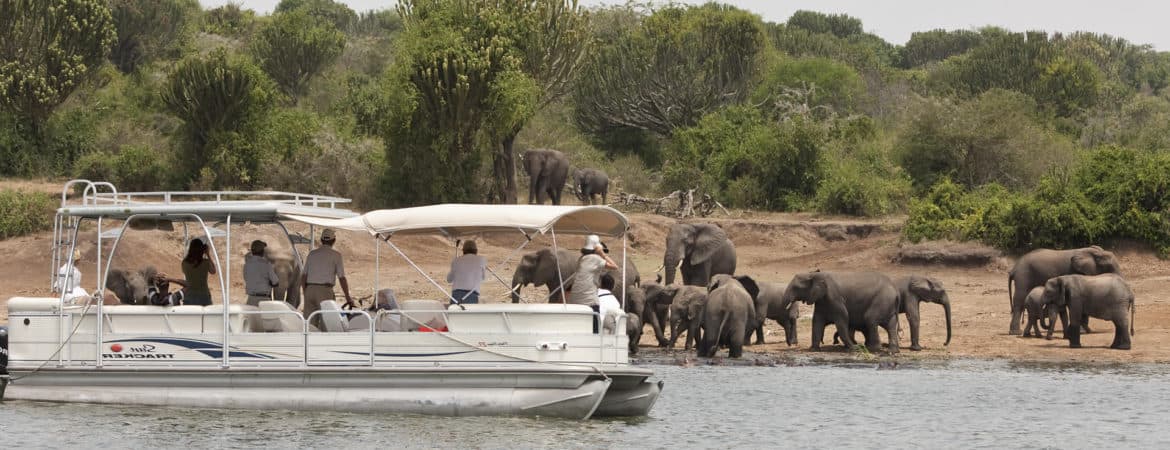
4 Days, 3 Nights — Queen Elizabeth National Park
A 4-day safari through Queen Elizabeth National Park, blending wildlife, culture, and adventure with authentic Ugandan hospitality. Cruise the Kazinga Channel, enjoy game drives a…
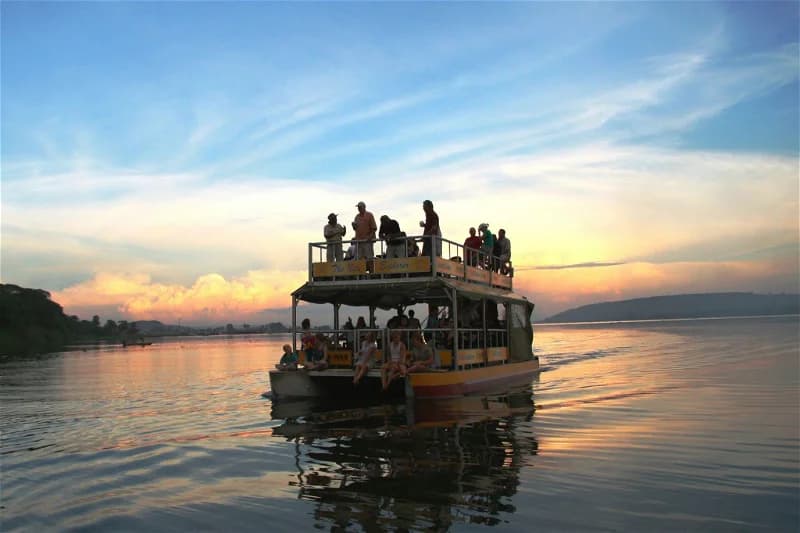
4 Days & 3 Nights — Murchison Falls National Park Experience
Experience the untamed beauty of Uganda’s largest and oldest conservation area, Murchison Falls National Park Nestled in the north-western part of Uganda along the Albertine Rift…