The Human Story Behind Uganda’s Gorilla Conservation
Ogundeyi Faith
Discover the true heart of gorilla trekking in Uganda
The Human Story Behind Uganda’s Gorilla Conservation
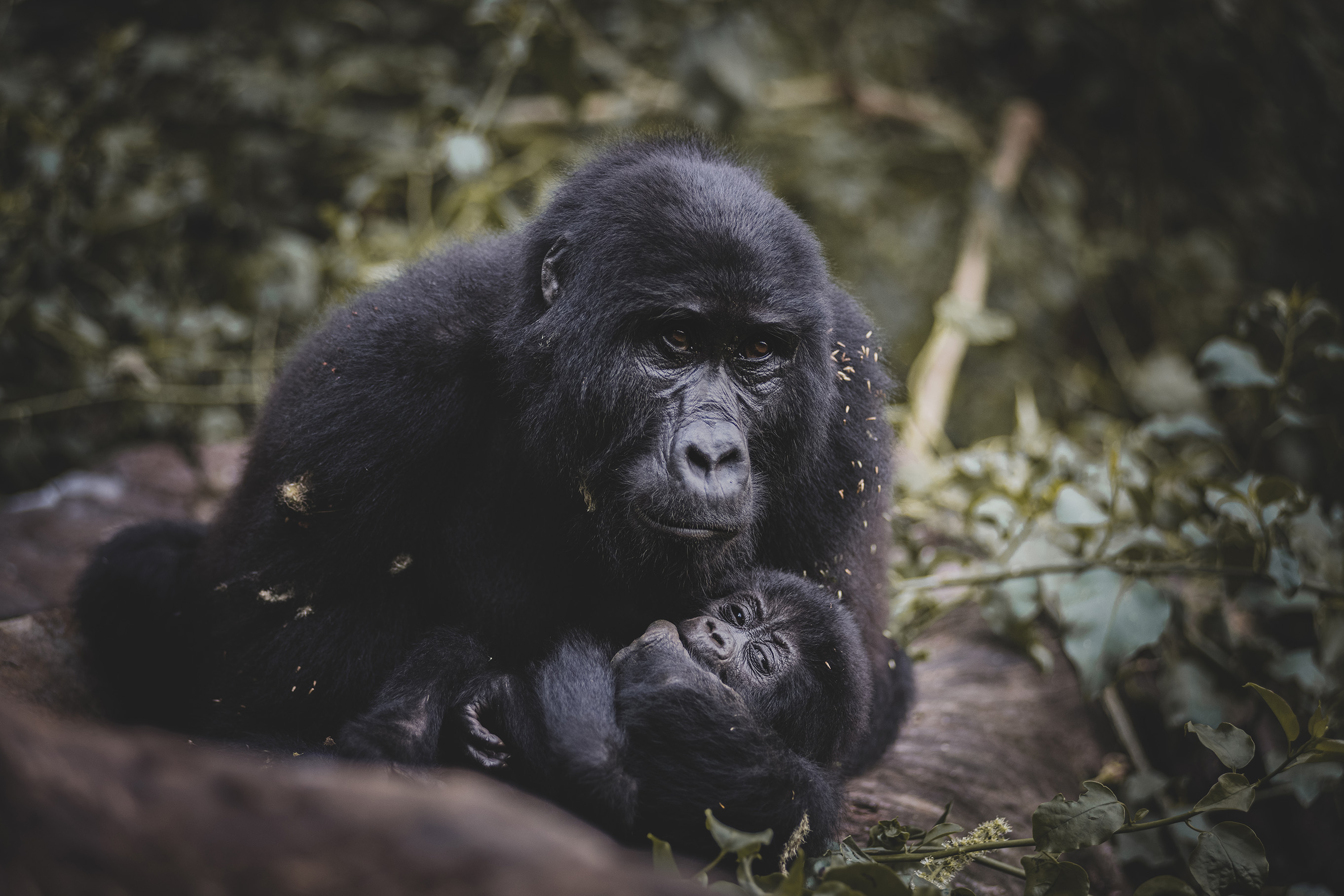
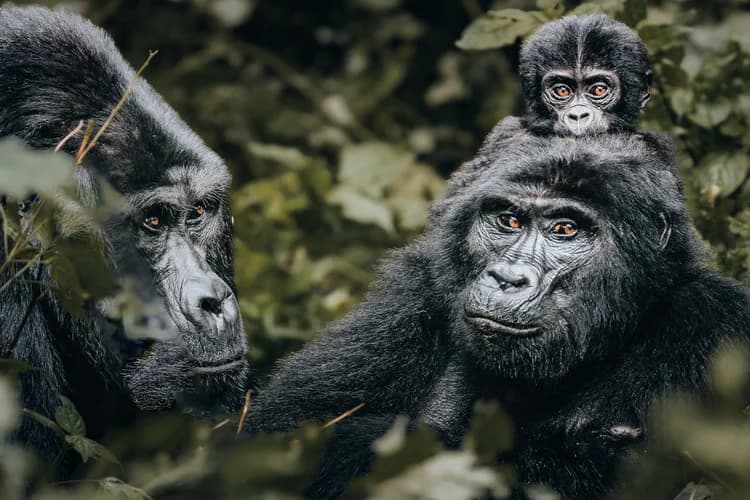
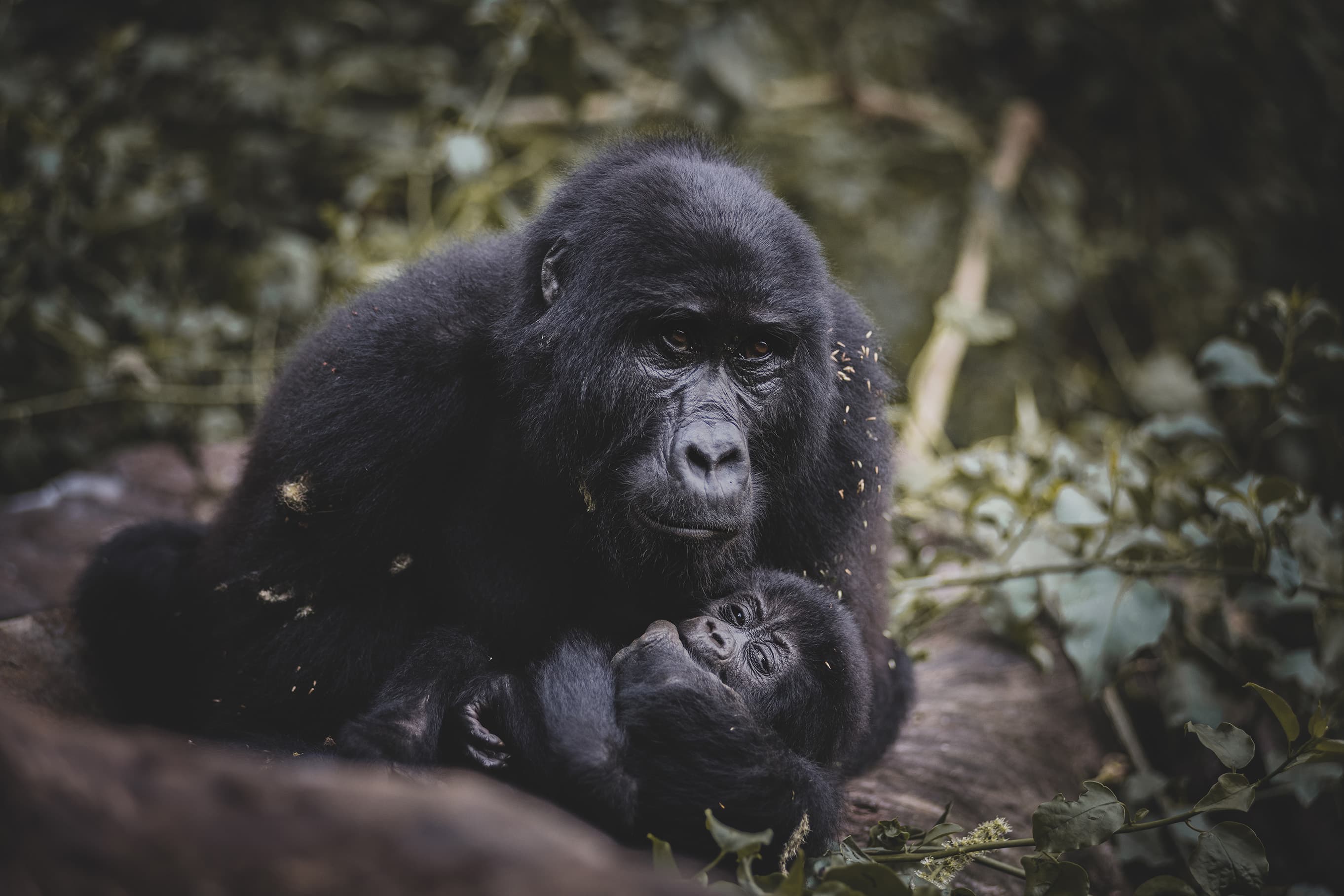
Imagine walking through a mist-covered forest when your guide signals that gorillas are nearby. A few steps later, you spot a young gorilla playing in the vegetation while its mother feeds close by. The silverback sits within view, watching over the family.
For many travellers, this is the moment that makes gorilla trekking in Uganda unforgettable.
But the real story goes beyond the encounter. Behind every trek are people whose work rarely receives the same attention as the gorillas themselves. Rangers patrol the forests, trackers locate gorilla families, and local communities are finding ways to earn a living while protecting wildlife.
Their efforts have helped mountain gorillas recover from dangerously low population numbers. Understanding their contribution adds another dimension to a visit to Bwindi or Mgahinga.
At Everything Uganda, we believe the best way to experience Uganda is to get to know the people and stories behind its remarkable places. We help travellers go beyond the usual safari experience, bringing them closer to the wildlife, local communities and conservation efforts that make Uganda worth exploring.
Classrooms on the Forest Edge: Teaching the Next Generation
For children growing up near Bwindi Impenetrable National Park and Mgahinga Gorilla National Park, the forest is part of their surroundings. However, living close to wildlife does not automatically mean understanding its importance.
The creation of protected areas has also changed how neighbouring communities access forest resources. For families affected by these restrictions, conservation must offer more than rules about what they cannot do.
School outreach programmes and community conservation initiatives help children understand mountain gorillas, their habitats and the threats they face. Some programmes introduce students to conservation professionals or organise educational visits focused on wildlife.
A child who develops an interest in protecting gorillas might eventually become a ranger, researcher, guide or conservation educator.
Education alone cannot resolve every challenge facing these communities. Families also need sustainable livelihoods and a fair share of the benefits that tourism brings. But helping children understand the value of their natural heritage is an important step towards protecting it for future generations.
The Trek Experience: Meeting Uganda’s Mountain Gorillas
Gorilla trekking involves leaving the vehicle behind and walking into the forest with experienced guides and trackers. Depending on the location of the gorilla family, you might walk for less than an hour or spend several hours navigating steep slopes and thick vegetation.
The trail can be muddy, and the terrain is not always forgiving. Then, after the climb and the anticipation, you find yourself watching a gorilla family in its natural habitat.
A youngster may tumble through the undergrowth while its mother keeps watch. Other gorillas feed quietly, seemingly unconcerned by the visitors standing at a respectful distance. The silverback’s presence is difficult to ignore.
These are wild animals, not performers. Viewing guidelines help protect them from unnecessary disturbance while keeping visitors safe.
Bwindi or Mgahinga: Which Should You Choose?
Bwindi Impenetrable National Park is known for its dense rainforest, steep hills and several trekking sectors containing habituated gorilla families. Thick vegetation and winding trails give the forest a secluded, enclosed atmosphere.
Mgahinga Gorilla National Park, part of the Virunga mountain range, features volcanic slopes, montane forest and bamboo vegetation. Its highland scenery offers a different backdrop for trekking.
Bwindi has more habituated gorilla groups available for tourism, while Mgahinga has fewer. Neither park guarantees an easier hike; the distance and difficulty depend on where the gorillas are found that day.
Mountain gorillas have made a remarkable recovery. Their global population, estimated at fewer than 300 in 1991, has grown to more than 1,000 today. They are the only great ape species whose population is known to be increasing.
Decades of work by wildlife authorities, researchers, conservation organisations and local communities have contributed to this progress. Mountain gorillas remain endangered, however, and continued protection is essential.
From Poachers to Protectors: The People Behind Conservation
Before visitors arrive at the park headquarters, trackers may already be in the forest locating gorilla families. Their knowledge of animal movements, vegetation and forest trails helps guides plan the trek.
Rangers patrol protected areas, monitor wildlife and help prevent illegal activities. The work involves long hours outdoors, difficult terrain and unpredictable weather.
Their contribution extends far beyond the few hours tourists spend watching gorillas.
Creating Alternatives to Poaching
For communities that have historically depended on hunting or forest resources, conservation restrictions can affect household income. Asking people to stop these activities without addressing their economic needs is rarely enough.
Community initiatives can provide alternatives through tourism employment, sustainable agriculture and other income-generating activities. Some programmes have supported former hunters or poachers in moving towards livelihoods that do not depend on exploiting wildlife.
Organic farming, for example, can offer another source of income, while tourism creates jobs for guides, porters, drivers and hospitality workers.
These transitions require practical support and sustainable opportunities. When people can provide for their families without harming wildlife, protecting the forest becomes easier to sustain.
Recognising the Batwa and Their Forest Heritage
The Batwa are Indigenous people with longstanding connections to the forests of southwestern Uganda. Their traditional knowledge includes an understanding of forest plants, wildlife and the natural environment.
The establishment of protected areas and restrictions on forest access have profoundly affected Batwa communities, including through displacement and changes to traditional livelihoods.
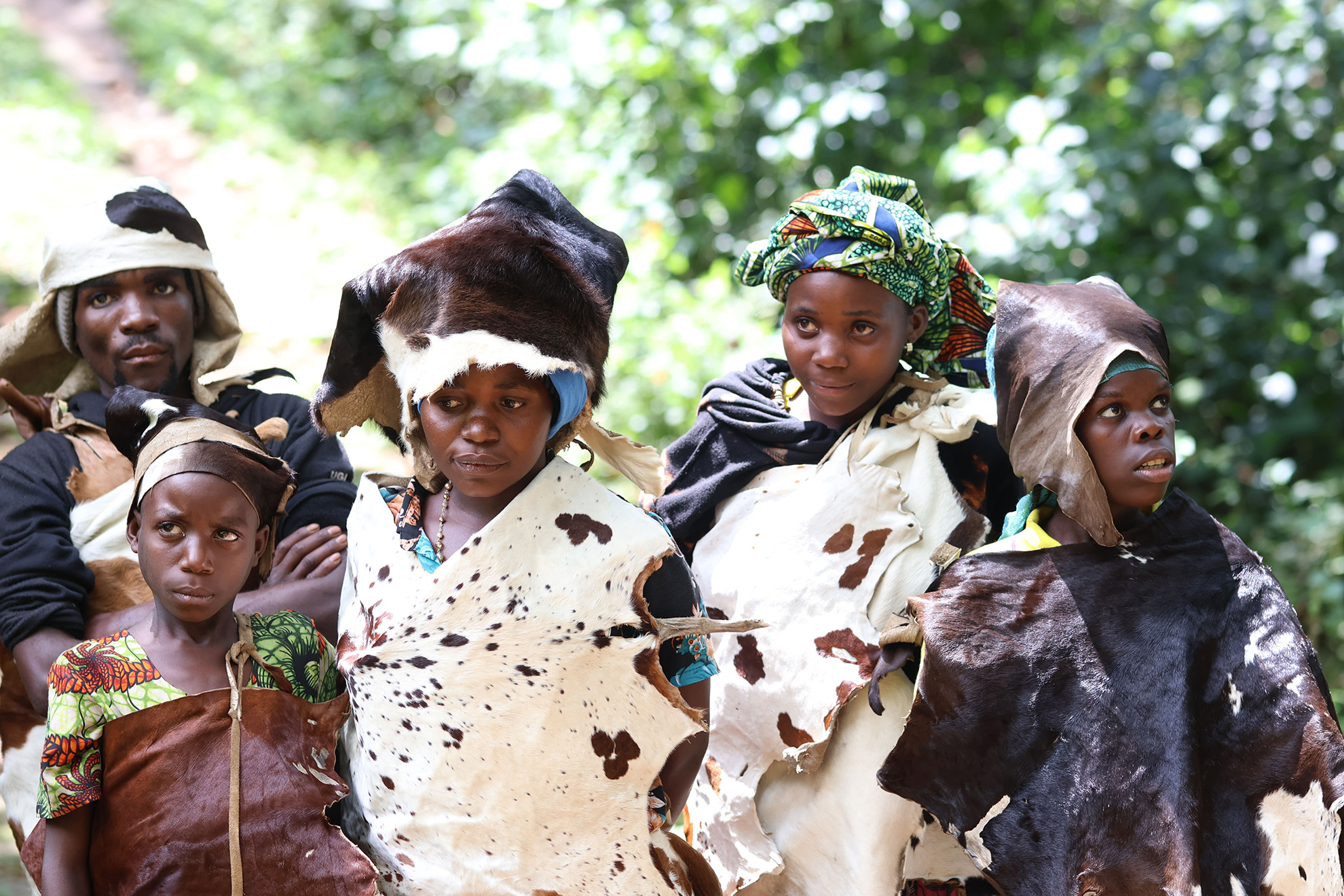
Today, some Batwa-led and community-based cultural tourism initiatives allow visitors to learn about their heritage and experiences.
A Batwa heritage walk can provide an opportunity to listen to community members share their knowledge and perspectives. Such visits should respect their dignity, recognise their rights and ensure fair benefits for participating communities.
For travellers on a Bwindi and Mgahinga gorilla safari, this cultural experience offers valuable insight into the people whose histories are connected to the forest.
Essential Planning Guide for Your Gorilla Trekking Safari in Uganda
Permits and Community Benefits
An official gorilla trekking permit is required to visit a habituated gorilla family. Permit revenue supports protected-area management and conservation.
Uganda also operates a revenue-sharing arrangement through which about 20% of national park entrance-fee revenue supports communities around protected areas.
Gorilla tourism creates jobs for guides, trackers, rangers and other local workers, giving communities a greater stake in protecting mountain gorillas.
Getting There
Most international travellers arrive at Entebbe International Airport before continuing to Bwindi or Mgahinga. Domestic flights to Kisoro or Kihihi can save travel time, while an overland journey offers the chance to enjoy Uganda’s countryside along the way, although the drive takes considerably longer.
Everything Uganda takes the stress out of planning your journey, helping you arrange suitable transfers and choose the best route for your itinerary, accommodation and preferred trekking destination.
When Should You Go?
The drier periods, generally June to August and December to February, offer the best trekking conditions, because trails may be less muddy. Gorilla trekking is available year-round, although wetter months can bring slippery paths and more demanding hikes.
Book your permit in advance, particularly if your dates are fixed. Pack sturdy hiking boots, long trousers and waterproof clothing, and follow your guide’s instructions throughout the trek.
Respecting wildlife guidelines is essential, regardless of when you visit.
Featured Package: 3-Day Ethical Gorilla & Conservation Safari
Explore Uganda’s gorilla country while learning about the people and conservation efforts protecting its wildlife.
Duration: 3 days / 2 nights
Highlights
Official Uganda gorilla trekking permit
Guided forest trek with experienced local trackers
Community Batwa heritage walk
Eco-lodge accommodation
What’s Included
Applicable park fees
Expert local guide
4x4 safari transport
Full-board accommodation
Gorilla trekking permit (USD 800 per person)
Conservation Impact: A direct portion of your trip support local conservation education and sustainable community farming initiatives.
Explore the package and request your itinerary
Book Your Ethical Gorilla Safari with Everything Uganda
Imagine standing in Uganda’s mist-covered forest, watching a mountain gorilla family in its natural habitat, knowing that your visit also supports the people working to protect them.
Contact our local team at Everything Uganda today to start planning your custom gorilla safari. We’ll help you choose between Bwindi and Mgahinga and put together an itinerary tailored to your travel dates, interests and preferences.
To Book Email us: reservations@everythinguganda.com