Uganda Travel Safety: The Facts About Ebola and Visiting Right Now
Everything Uganda
Is Uganda Safe to Visit Right Now? The Ebola Facts Travellers Need
Is there Ebola in Uganda? Is Uganda safe for tourists? Can I still go gorilla trekking? These are the questions filling search bars right now. Here are the facts.
What is happening
On May 15, 2026, the Ministry of Health of the Democratic Republic of Congo confirmed an Ebola outbreak in Ituri Province in northeastern DRC. Uganda has registered two isolated imported Ebola cases involving Congolese nationals who entered Uganda from the DRC. One patient sadly passed away and has since been repatriated, while the second patient received treatment under the supervision of the Ministry of Health.
What Uganda's Tourism Board says
The Uganda Tourism Board confirmed that Uganda remains safe, open, and operational for tourism, with zero local transmission or community infection within Uganda, and robust surveillance and response measures in place nationwide. Tourism activities, national parks, hotels, and transport services continue to operate normally.
UTB CEO Juliana Kagwa stated: "Uganda remains safe, open and welcoming for tourism, business and investment. Life continues normally."
Are the national parks affected?
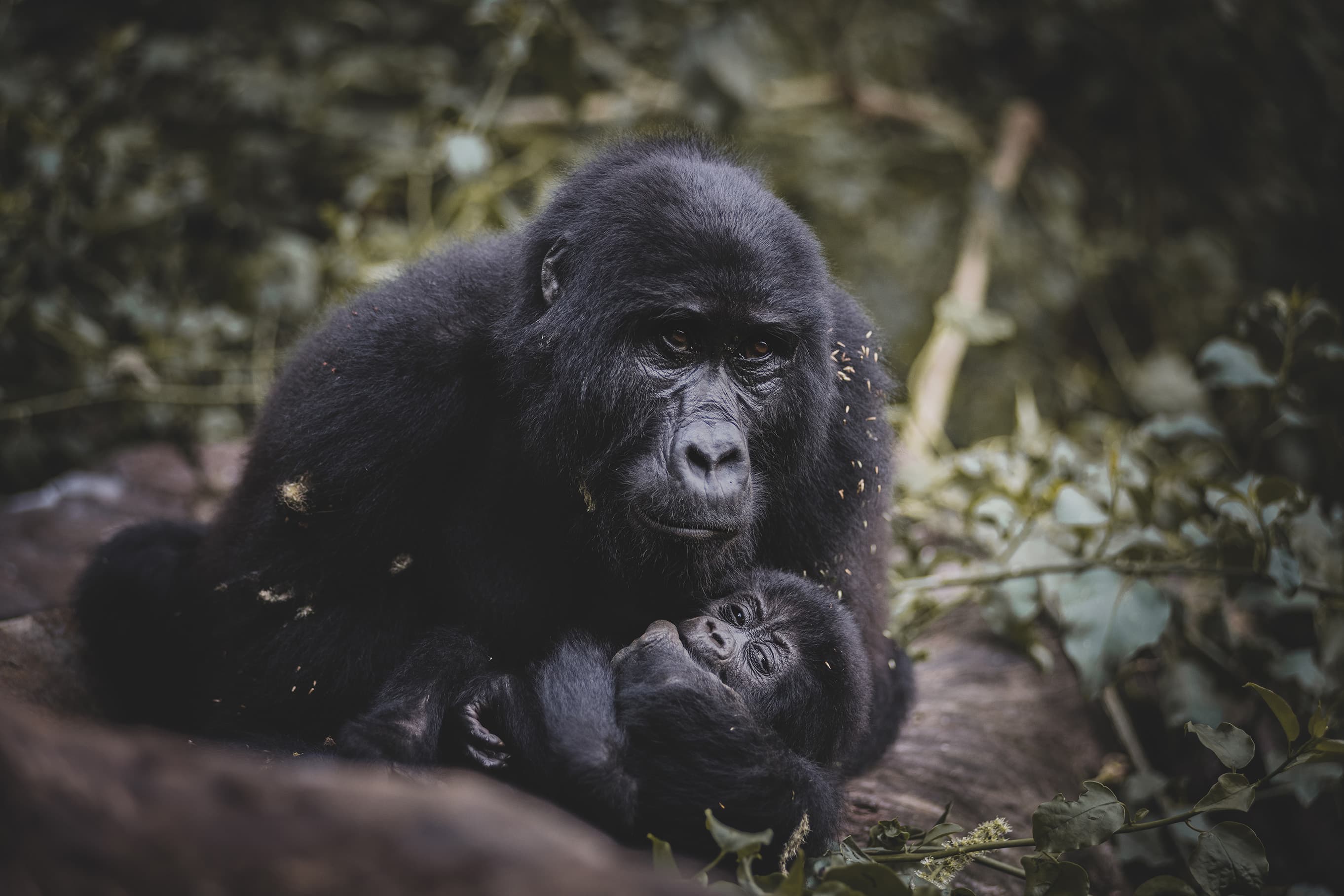
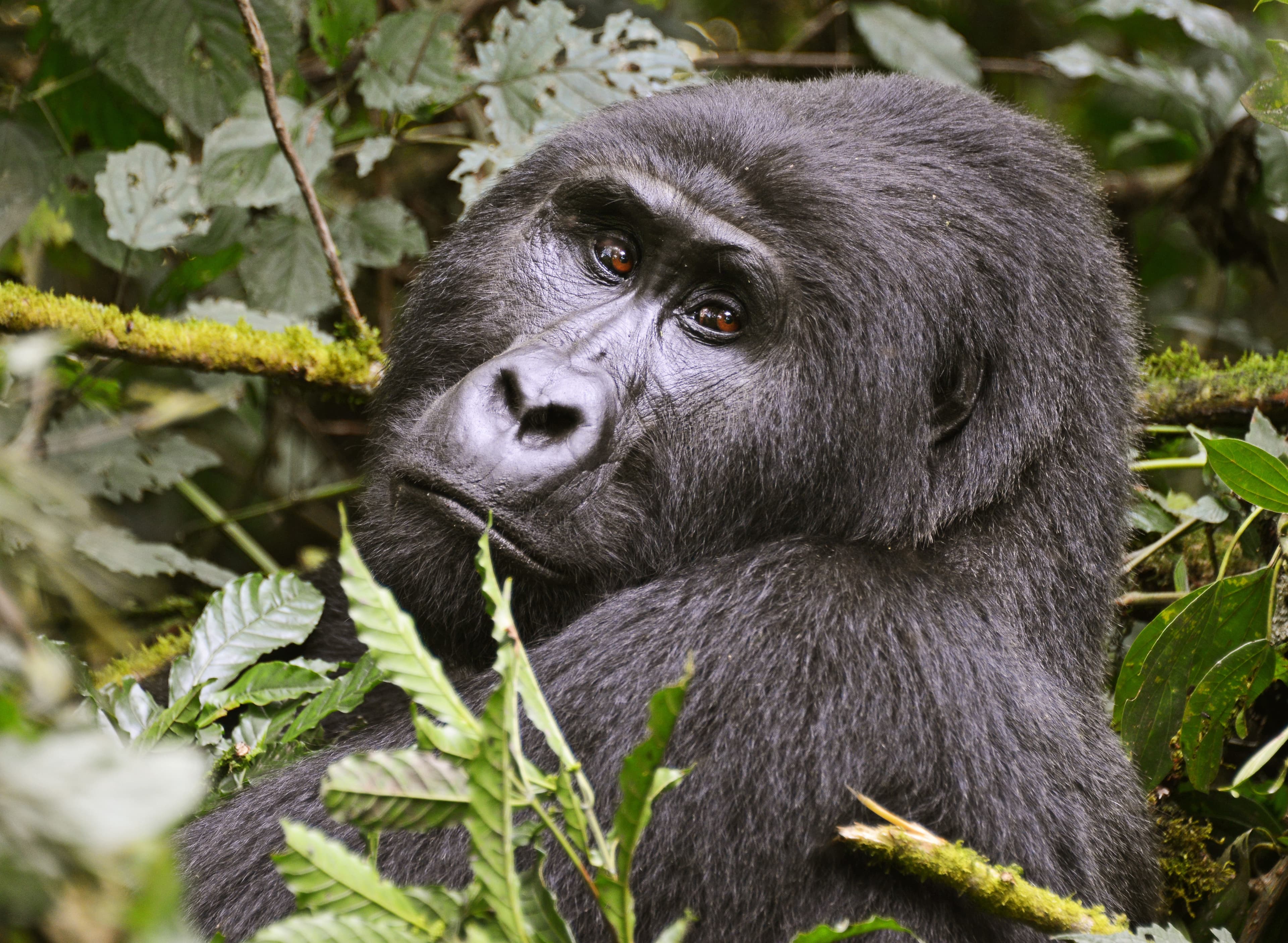
The majority of Uganda's most popular safari and gorilla trekking destinations are located far from the currently affected areas. Most safari lodges, camps, and tour operators are operating normally while following additional health and hygiene precautions. Thermal screening stations and sanitisation measures are in place at entry points to safari lodges, trekking routes, and protected areas.
Ebola symptoms to know
Ebola symptoms typically appear 2 to 21 days after exposure and include sudden fever, severe headache, muscle pain, weakness, fatigue, diarrhoea, vomiting, stomach pain, and unexplained bleeding or bruising. Anyone who develops symptoms should avoid travel and contact public health authorities immediately.
Precautions for travellers
- Avoid direct contact with anyone showing symptoms
- Avoid bush meat and contact with wild animals outside controlled safari environments
- Wash hands frequently with soap and water or use alcohol-based sanitiser
- Avoid hospitals and treatment centres managing Ebola patients unless absolutely necessary
- Monitor for Ebola symptoms for 21 days after leaving affected countries
- Follow all temperature screening instructions at airports and park entry points
Everything Uganda's position
We are monitoring this situation daily in coordination with UTB and the Uganda Ministry of Health. All our packages operate in national parks — Queen Elizabeth, Bwindi, Kidepo, and the Rwenzori — which are far from the affected border areas and continue to operate normally. We will contact all booked clients immediately if the situation changes and offer full flexibility to reschedule.
Expeditions to consider
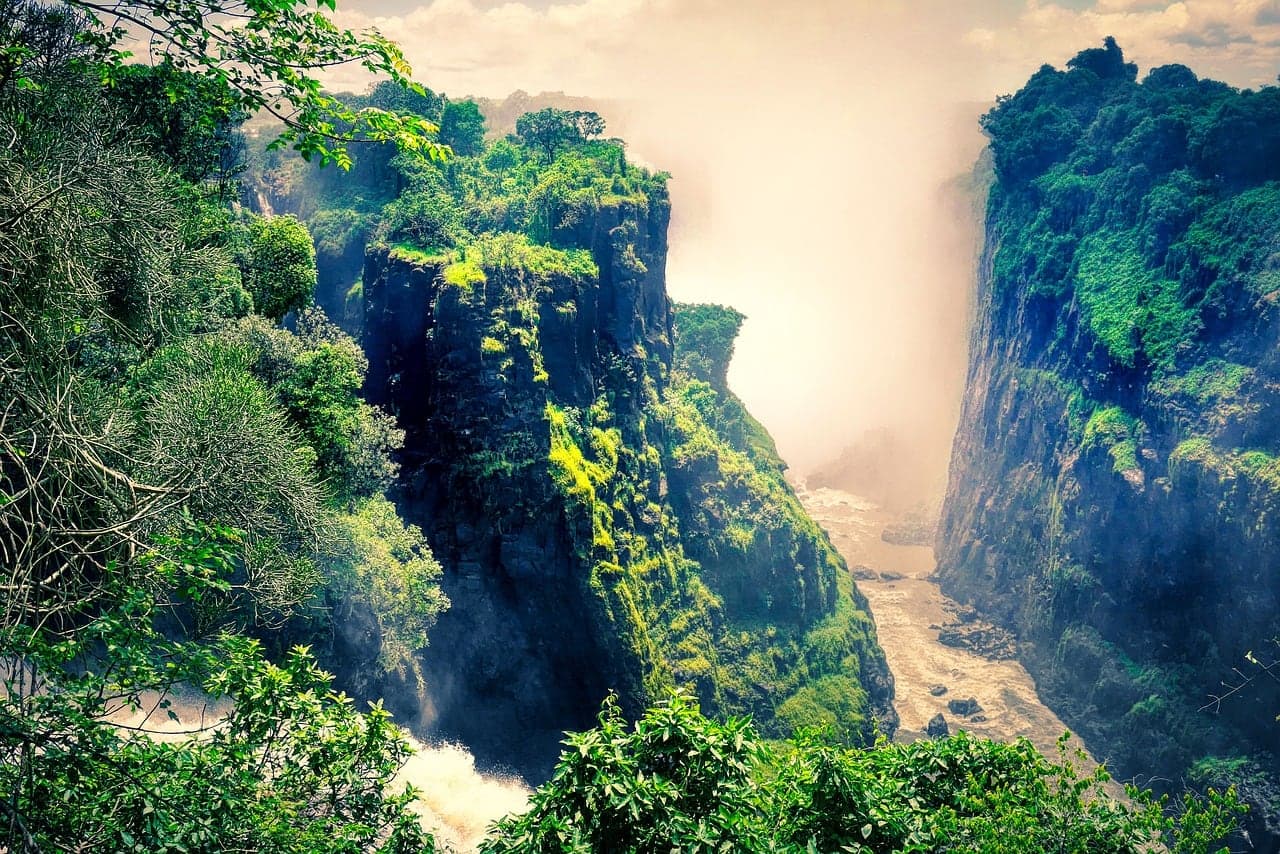
15-Day Best of Uganda Safari: Parks, Primates and Lakes
Uganda at an unhurried pace, from the Nile in the north to the lakes of the southwest. Over fifteen days you see the Top of Murchison Falls and cruise the Nile, track chimpanzees…


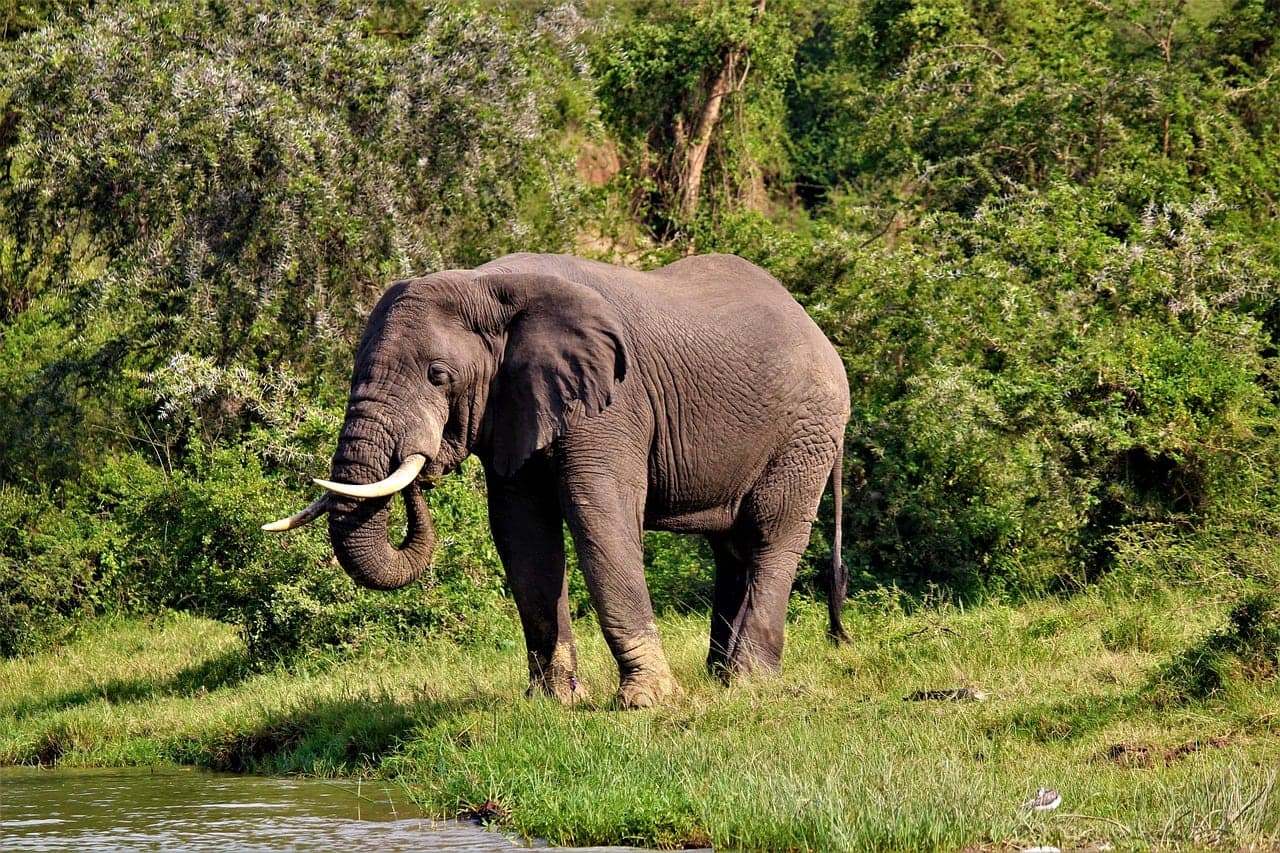
10-Day Uganda Gorillas, Chimpanzees and Game Safari
Ten days through four of Uganda's national parks, built around its primates. You begin in Kibale Forest, walking among tall trees in search of chimpanzees, red colobus monkeys and…
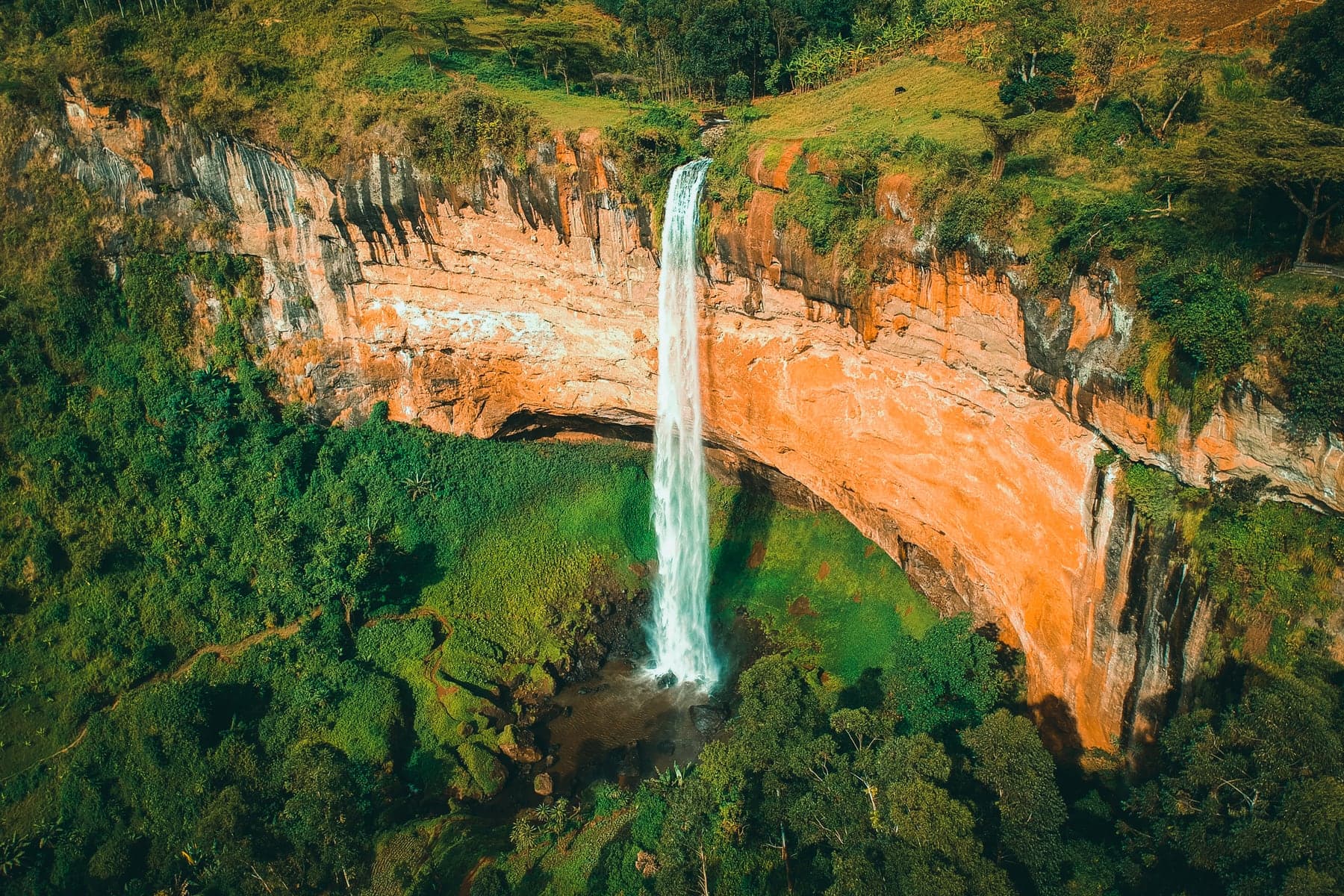
8-Day Nile to the Highlands: Kampala, Jinja and Sipi Falls
A journey east from Kampala that trades game drives for culture, cooking, adventure and coffee. It begins with Kampala's landmarks, from the Bahá'í Temple and Kasubi Tombs to the…