
Gorilla Trekking Uganda: Complete 2026 Guide | Everything Uganda
Ogundeyi Faith
Gorilla Trekking in Uganda: Your Complete 2026 Guide
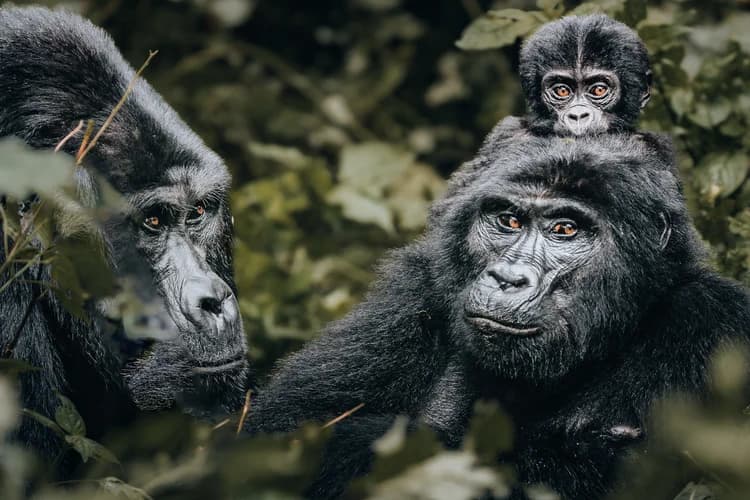
Gorilla trekking in Uganda often begins in near-total silence, with only the soft rustle of leaves and distant bird calls breaking the calm. Then, about ten meters away, you notice a shift in the dense, emerald-green cover of Bwindi Impenetrable National Park. A mountain gorilla lifts its head and meets your gaze. For a second, you forget to breathe.
The air feels suspended; cool, damp and incredibly still as if the landscape is holding its breath with you. In that instant, everything else drops away: schedules, notifications and the noise of everyday life fade into the background. What replaces it is something harder to name—something deeper and quieter. It is a rare, humbling encounter that lingers in your mind long after the trek ends and you are back at your lodge, replaying the scene in your head.
This guide covers everything you need to confidently plan a gorilla trekking holiday in Uganda, from securing permits and understanding current costs to choosing the best time of year to visit. You’ll also find practical packing advice, including what to wear in the rainforest, what to bring for comfort and safety, and small essentials that can make a big difference on the trail.
What is Gorilla Trekking in Uganda?
Gorilla trekking in Uganda is a guided forest hike to find one of the country’s habituated mountain gorilla families in the wild. You will trek through the dense jungle of national parks: Bwindi Impenetrable Forest or Mgahinga Gorilla National Park, led by experienced Ugandan guides who track the gorillas’ movements each day as it's not a straight path—you move through thick jungle, following signs the guides notice along the way.
The guides track the mountain gorillas in Uganda using clues like broken branches and footprints, helping locate them wherever they’ve moved that day. The trek can take anywhere from about one and eight hours depending on where the gorillas are that day.
When you finally find them, you will spend one unforgettable hour observing them, watching how they interact, feed and move through the forest. It is not staged or predictable; it is a raw, natural encounter that's unforgettable, leaving you with a deeper appreciation of the experience.
Gorilla Trekking in Uganda is part adventure and part conservation—and one of the most unforgettable wildlife experiences in African safaris.
How Much Does Gorilla Trekking Cost in Uganda?
Gorilla trekking cost Uganda starts at USD 800 per person for a permit issued by the Uganda Wildlife Authority. This is the biggest cost and includes one hour with a habituated gorilla family.
For comparison, Rwanda charges USD 1,500 for the same experience. Uganda is still the most accessible choice, without sacrificing quality.
Additional costs include:
Park entry fees (USD 40–60 per person)
Accommodation and transport
Guides and optional porter services
In total, most travellers spend between USD 1,200 and USD 2,500 depending on comfort level.
Best Time for Gorilla Trekking in Uganda
Ever wondered what the best time for gorilla trekking in Uganda really is?
The best time for gorilla trekking in Uganda is during the dry seasons: June to September and December to February. During these periods, trails are firmer, the weather is more predictable and the overall gorilla trek experience is more comfortable.
That said, gorilla trekking runs year-round. In the rainy months (March to May and October to November), trails can be muddier and more challenging, but this Uganda dry season contrast also means fewer tourists and, in some cases, more flexible pricing. These months still fall within the broader gorilla trek season, and sightings remain consistent.
Rain rarely disrupts the experience itself, instead, it makes the forest more atmospheric, adding a different kind of depth to the journey through the dense greenery.
For a first trip, the period between June and September is usually recommended. It offers the ideal blend of comfort, ease of access, and overall experience.
Bwindi vs Mgahinga : Which is Better?
When comparing Bwindi vs Mgahinga gorilla trekking, both parks offer incredible experiences but they suit different types of travellers.
Bwindi Impenetrable National Park:
Home to over 20 habituated gorilla families across four sectors
Greater permit availability
Dense, dramatic rainforest terrain
More physically demanding treks
Best for: first-time visitors and those wanting flexibility
Mgahinga Gorilla National Park:
One habituated gorilla family (Nyakagezi)
Fewer visitors and quieter trails
Stunning Virunga volcano backdrop
Opportunity to see golden monkeys
Best for: travellers seeking a quieter, more scenic experience
Verdict: Bwindi is the best choice for most first-timers. Mgahinga is ideal if you value solitude and dramatic landscapes.
How to Book Gorilla Trekking Permits
Gorilla trekking permits in Uganda can be booked in two ways.
First, directly through the Uganda Wildlife Authority. While it’s possible, you’ll need to arrange your own lodging, transportation, and schedule, which can be complicated—especially if you’re traveling from overseas.
Second, through a licensed tour operator like Everything Uganda. This is the simplest and safest option, since permits, transfers, lodging, and guides are all arranged in a single booking.
Most travelers—especially those visiting from abroad—choose the second option to avoid logistical challenges.
To get started, plan your Uganda trip here.
What to Expect on the Trek
Your day begins early—typically between 5:30 and 6:00 a.m. After breakfast, you’ll head to park headquarters for a 7:00 a.m. briefing. Your ranger will review the rules, assign your group, and get you ready for the trek.
The hike can take anywhere from one to eight hours. The trail is often steep, muddy, and overgrown, so hiring a porter (USD 15–20) is worth considering—especially if you’re carrying luggage.
When you arrive at the gorillas, time seems to slow. Put on your mask, ready your camera, and keep a strict ten-meter distance. You’ll have one hour to watch: a silverback guarding the group, juveniles at play, and mothers grooming their young.
It’s a rare kind of wildlife moment: quiet, intense, and deeply human in the way it makes you feel. It stays with you—completely unlike most encounters in nature.
After an hour, you’ll trek back and receive a certificate to commemorate your visit. One key tip: turn off your camera flash, as gorillas may react to sudden light.
Gorilla Trekking Packing List
Sturdy waterproof hiking boots : essential for steep, muddy terrain
Long-sleeved shirt and trousers :protects against vegetation and insects
Rain jacket : showers can happen any time of year
Gardening gloves : useful for gripping branches and navigating slopes
At least 2 litres of water : hydration is critical during long treks
Energy snacks : for the trail (not consumed near gorillas)
Camera (no flash) : bring spare batteries and memory
Walking pole : helpful on steep sections, often provided
Passport and permit confirmation : required at entry
Sun protection :hat and sunscreen for exposed areas
Our Uganda Gorilla Safari Packages
We offer a range of Uganda gorilla trekking packages designed for different travel styles and budgets.
Our 4 Day Gorilla Quest from £630 is our most popular entry-level option, ideal for travellers looking for a well-organised, budget-friendly experience.
All packages include gorilla permits, park transfers and expert guiding. Contact our team to start planning.