
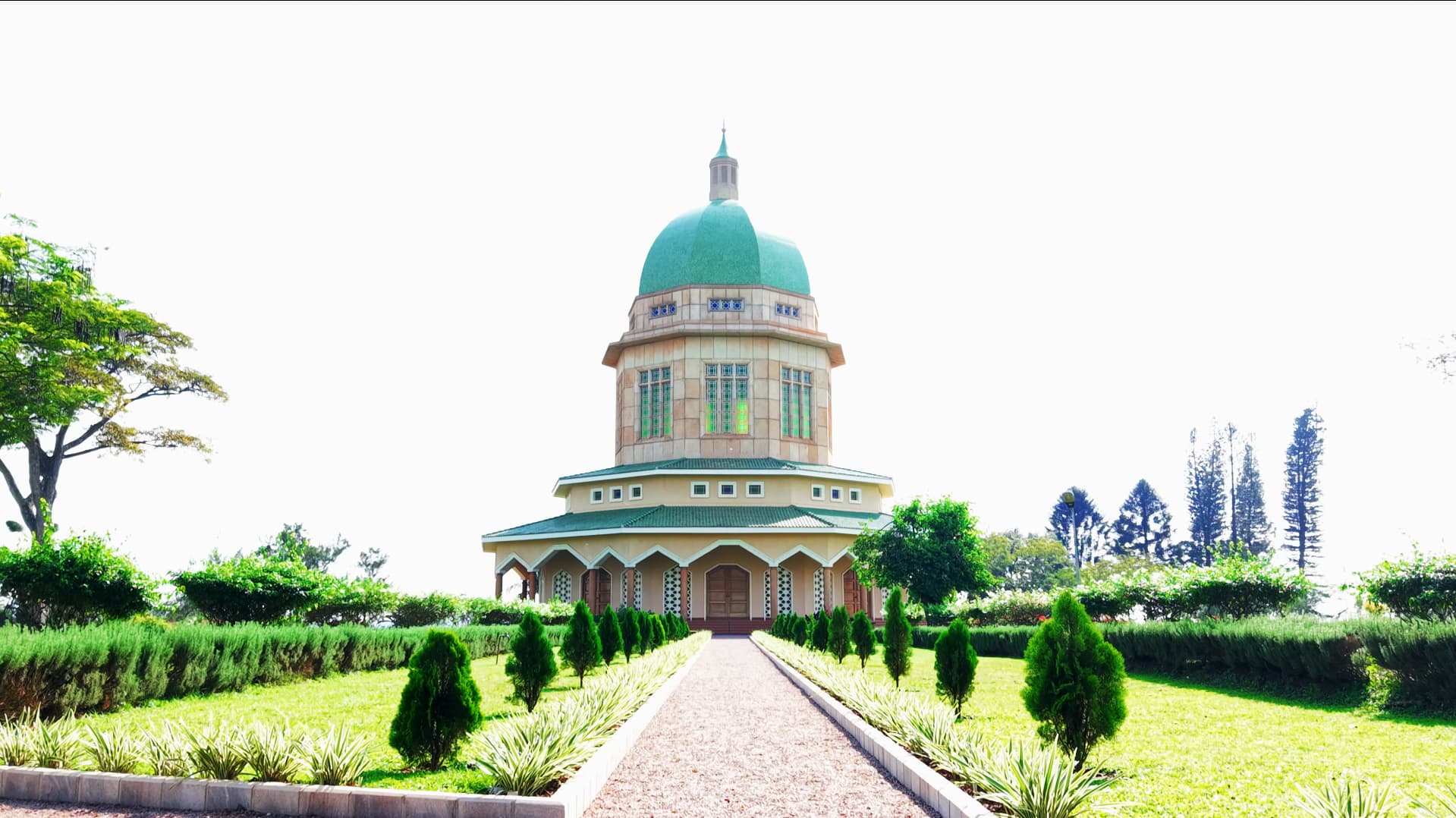
Why Uganda Could Be Africa’s Next Thailand Destination
Ogundeyi Faith
Why Uganda Could Be the Next Thailand
Thailand did not become the world’s favourite backpacker destination by accident. It earned it — with wildlife, warmth, culture, incredible food, adventure and prices that make your money go further. Uganda has every single one of those things. And almost nobody knows it yet. That is about to change.
Let’s be honest.
When people start planning holidays to Thailand, they’re not just booking flights and accommodation. They’re chasing a feeling. That easy, unplanned rhythm where days unfold between beaches, street food, temples, and the kind of spontaneous detours that quietly turn into the moments you remember most.
Thailand has always been good at that. It became a favorite for backpack travel not because it tried to impress, but because it felt open, accessible, and full of variety in a single trip.
But over time, something subtle has shifted. Not enough to change what Thailand is, but enough for returning travellers to notice. More people, more structure, and more familiarity. And at some point, you begin to realise you’re not exactly discovering new places anymore, you’re following paths that millions have already walked before you.
And that’s usually when the question begins to surface:
If this is what Thailand is famous for, where else can I find that same sense of freedom, discovery, and excitement?
Uganda may not be the obvious answer. But the more you look into it, the more it quietly begins to fit that feeling—just in a different, less crowded, and more untouched way.
What Made Thailand the World’s Go-To Travel Destination
Thailand works because it gives you range—real range.
You can land in Bangkok and immediately find yourself exploring the endless list of things to do in Bangkok; from the Grand Palace to Wat Arun, before ending up on Khaosan Road wondering how your quiet evening turned into something else entirely.
Then you switch gears.
You head south to some of the best beaches in Thailand; Phuket, Krabi, Koh Samui—where everything slows down and time starts to feel optional.
Up north, Chiang Mai offers something calmer. Temples, mountains, culture, which offers a completely different pace.
That balance is what made Thailand explode in popularity. Add in world-famous Thailand street food, friendly locals, and the fact that backpack travel Thailand is accessible even on a budget, and it’s no surprise the country welcomed over 32.4 million international visitors in 2024.
Bangkok alone sees around 20–22 million visitors a year, with places like Phuket (~10 million), Chiang Mai (9 to 12 million), and Pattaya (8-9 million) not far behind.
But here’s the part most people only realise after visiting: when a place becomes that popular, the experience changes.
Uganda and Thailand — The Surprising Similarities
Imagine landing somewhere that gives you that same mix, but without the feeling of being one of millions doing the exact same thing.
That’s Uganda.
And when you break it down, the similarities to Thailand are hard to ignore.
Wildlife and nature
Thailand wildlife is a big part of what draws people to Thailand—elephants, dense jungles, and vibrant marine life.
Uganda takes that same appeal and stretches it even further. Yes, you’ll find elephants, but also primates such as mountain gorillas, chimpanzees, the big 5, and over 1,090 bird species. It doesn’t feel packaged or curated. It feels raw, immersive, and real.
Warmth of the people
Thailand’s “Land of Smiles” reputation is well known and for good reasons.
But Uganda doesn’t really market its warmth; you just feel it. Conversations linger a little longer. People are genuinely curious, not just polite. It feels less transactional, and a lot more human.
Food culture
Food in Thailand is iconic—night markets, street food, quick bites like pad thai or grilled skewers that somehow turn into full meals.
Uganda offers something different but just as memorable. Think of meals like matooke(bananas) served with rich groundnut sauce, or a shared plate of posho and grilled meat. The cuisine of Uganda is built around fresh produce gotten from local markets and shared moments. Over here, meals aren’t rushed—they’re experienced. It’s slower, more communal, and in a quiet more grounding way.
Adventure
When people search for things to do in Thailand, they’re usually picturing island hopping, diving into clear waters, or trekking through lush landscapes that feel almost too perfect to be real.
Uganda answers that same curiosity, but in its own, quieter way.
Instead of oceans, you’re standing at the edge of the Nile river –– the longest in the world, about to raft one of the most powerful rivers in the world. Instead of coastal hikes, you’re climbing through the misty slopes of the Rwenzori Mountains famously known as the mountains-of-the-moon after its glaring glaciers. Game drives in Murchison Falls –– the most powerful waterfall in Africa, bring you face-to-face with wildlife that feels completely untamed, and then there’s gorilla trekking in Bwindi Impenetrable National Park—where groups are kept small, so the experience stays rare.
It’s the same sense of adventure: just deeper, wilder, and far less crowded.
Value for money
Thailand built its reputation on affordability.
Uganda offers that same sense of value too, especially when compared to neighbouring safari destinations like Kenya and Rwanda. With direct flights from the UK, it’s easier to reach than many travellers assume. You’re spending, yes—but what you get in return feels less crowded, more personal, and far more exclusive.
Culture and history
Thailand is known for its temples: places of beauty, reflection, and deep tradition that draw visitors from all over the world.
Uganda, on the other hand, offers culture in a more lived-in way. With 56 tribes, traditional kingdoms, and everyday practices that are still very much part of daily life, culture here isn’t something set apart for display, it’s something you experience as it naturally unfolds around you.
Where Uganda Beats Thailand Outright
This is where the comparison shifts. Uganda stops being just an alternative; it stands out and becomes the perfect fit.
Gorilla trekking
There’s nothing like this in Thailand. Even though it has incredible wildlife, nothing comes close to standing a few metres away from a mountain gorilla in the wild. It’s one of the rarest wildlife encounters on Earth, and Uganda is one of the only three countries in the world you can do it, in fact Uganda has the largest population of mountain gorillas amongst those three countries.
Unmatched Birdlife
Even if you’re not a birdwatcher, Uganda pulls you in. With over 1,090 bird species, Uganda is a birdwatcher’s paradise. From the elusive shoebill stork (the most sought-after bird in Africa) to vibrant forest species, it stands out as one of the richest birding destinations globally.
The Nile
Uganda is home to the source of the Nile — the longest river in the world. That alone gives it a unique edge, especially for adventure seekers drawn to rafting and river-based experiences.
Hidden Gem Feel
This is Uganda's quiet advantage. While Thailand still has beautiful, authentic pockets, many popular destinations have become heavily commercialised.
Uganda still feels undiscovered. In 2023, Uganda welcomed around 1.27 million visitors, compared to Thailand’s 32.4 million international visitors in 2024. That difference shows up in everything; from quieter parks to more personal experiences.
Impactful travel
In Uganda, tourism often directly supports conservation and local communities. Gorilla permits, for example, help fund wildlife protection and community development. Your trip doesn’t just entertain you, it contributes to something meaningful; and that’s a way of making an impact, if you ask me.
Is Uganda Safe for UK Travellers?
This is usually the first question, and it deserves a clear, honest answer.
Yes, Uganda is very safe for UK Travellers.
Searches like “is it dangerous to travel to Thailand” are common, and even there, FCO exercise high degree of caution in Thailand — ongoing terrorism risk in Bangkok and Phuket.
Uganda sits in a similar position: generally safe, with standard travel awareness.
I would describe it as welcoming, calm, and easy to navigate.
Kampala, the capital, has a busy, energetic feel, but not unfamiliar if you’ve travelled in places like Bangkok or even parts of Bali.
For solo travellers, Uganda is increasingly accessible, especially with guided experiences—and many find it more personal and supportive than more crowded destinations.
How Much Does Uganda Cost Compared to Thailand?
Let’s break it down clearly, because cost often shapes the decision long before the journey begins.
Flights
Thailand flights from the UK typically cost £600–£900 return. Uganda falls within a similar range.
Accommodation
Both destinations offer a wide spectrum — from budget hostels to luxury lodges. Uganda’s safari lodges can be premium, but there are also affordable guesthouses and mid-range options.
Key difference: gorilla permit vs elephant riding (cost + ethics)
A gorilla trekking permit in places like Bwindi Impenetrable National Park costs around USD 800 per person. It may seem expensive, but it’s not just a ticket to an experience, it directly supports conservation efforts, funds park rangers, helps maintain strict limits on visitor numbers to protect the gorillas and their habitat —tens of thousands/year (gorilla permits limited).
It’s structured to preserve something rare while still allowing people to witness it responsibly.
Thailand, on the other hand, offers a wide range of low-cost tourist activities. In places like Phuket, elephant riding is often marketed as an affordable attraction. However, it continues to raise ethical concerns around animal welfare and how the animals are trained and kept.
So the contrast isn’t just about price, it’s about purpose. Uganda leans into a high-value, conservation-driven experience, while Thailand leans into accessibility and variety.
10-day Uganda trip budget breakdown:
A typical 10-day trip to Uganda varies depending on travel style, but here’s a simple breakdown to guide your planning:
Flights: £600 - £900
Accommodation: £30–£150/night
Food: £10–£30/day
Transport & tours: varies
Gorilla permit (if included): USD 800
Miscellaneous (SIM cards, small purchases): USD 50 – 200
Best Time to Visit Uganda vs Thailand
If you’ve ever researched the best time to travel to Thailand, you already know timing matters.
The best time to go to Thailand is from November to February.
The Thailand rainy season runs from May to October—with August and October being particularly wet, which can affect travel plans and makes trekking difficult
Uganda is different.
Tourism is not affected by rainy seasons— all year around. Activities like gorilla trekking continue regardless, and the landscapes often become more vibrant during wetter months.
So while travellers carefully plan when to travel to Thailand, Uganda offers something simpler: You can go when it suits you.
How to Get to Uganda from the UK
Getting to Uganda is easier than most people expect.
If you’ve checked Thailand flights or planned a Thailand travel itinerary before, the process will feel quite familiar. Airlines like Qatar Airways, Ethiopian Airlines, and Kenya Airways operate regular routes from the UK, with most journeys including just one stop before arriving in Uganda.
While flights from London to Bangkok are widely known, routes to Uganda follow a similar pattern in terms of accessibility. Most travellers fly into Entebbe International Airport, which serves as the main entry point into the country.
Uganda also makes entry straightforward with its e-Visa system: a simple, fully online process that helps you secure travel authorization before arrival without unnecessary hassle.
Why 2026 Is the Year to Go Before Everyone Else Does
Some destinations still feel untouched, even when they’re already appealing, simply because the world hasn’t fully caught up yet. Uganda is one of those places right now.
Thailand welcomed 32.4 million visitors in 2024, while Uganda recorded around 1.27 million in 2023, with about 765,000 in the first half of 2025.
That difference means fewer crowds, shorter wait times, and more space to experience places without the pressure of over-tourism.
At the same time, infrastructure is improving quickly. Roads, accommodations, and travel systems are becoming more accessible, making it easier to explore the country comfortably while it still retains in its raw and authentic feel.
Then there’s the gorilla trekking experience. It is one of Uganda’s most sought-after attractions, and with limited permits available, demand is expected to rise over time. As more travellers discover it, pricing and accessibility may change, making early visits more advantageous for those who want the experience in its current form.
For now, Uganda offers a rare balance: accessibility without overcrowding, development without losing its authenticity, and experiences that still feel immersive and unspoiled. If you're considering a trip, you can explore different options through our holiday types or plan your trip with our trip planning guide.
Thailand had its moment. Uganda is having its moment right now. The question is whether you will be there at the beginning — or look back in ten years and wish you had gone before everyone else did.